
Sis, I need to talk to you about something deeply painful.
You trusted him. You opened up. You shared something vulnerable: your fears, your insecurities, your past wounds, your deepest struggles.
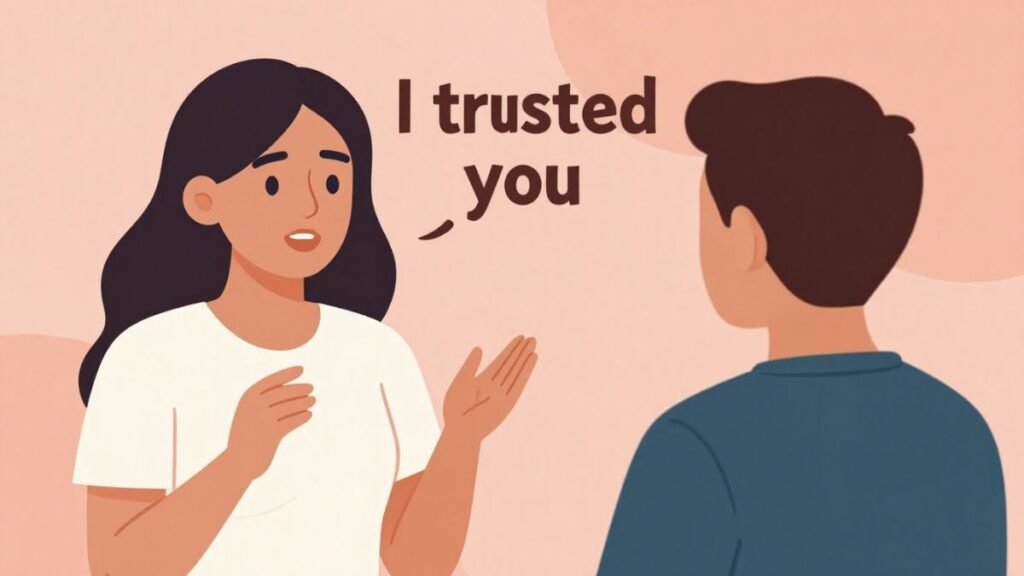
You gave him access to the tender, unprotected parts of yourself.
And in that moment, maybe he seemed understanding. Maybe he held you. Maybe he said the right things. Maybe you felt safe.
Then later—during an argument, when you disagree, when he’s angry, when it benefits him—he uses what you shared against you.
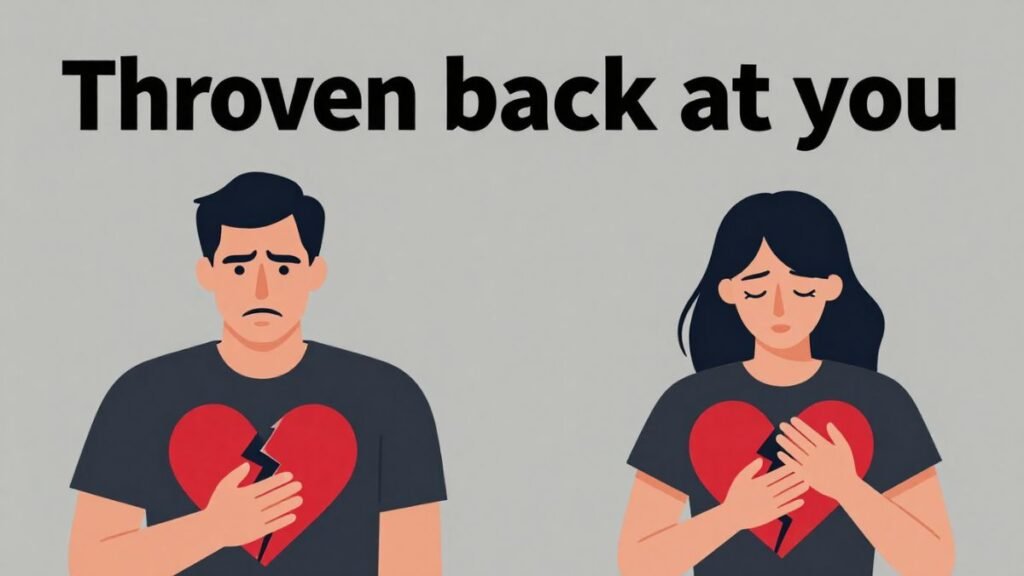
He throws it in your face. He weaponizes your vulnerability. He uses your pain as ammunition. He twists what you trusted him with into a weapon to hurt you.
The thing you shared in trust becomes a tool of attack.
I see how this makes you feel. Betrayed. Violated. You made a terrible mistake trusting him. Like you can never be vulnerable again.
And I see you wondering: “Why would he use my vulnerability against me? How could someone who claims to love me weaponize my pain? Can I ever trust him again?”
No, sis. You can’t trust him. What he’s doing is emotional abuse—one of the cruelest forms because it weaponizes your trust.
Let me explain what’s really happening and why you need to protect yourself.
What’s Really Happening: Vulnerability as Ammunition
As a man who understands what real love looks like, let me be clear: Love protects vulnerability. Love honors trust. Love safeguards what you share in your most tender moments.
A man who truly loves you holds your vulnerabilities sacred. When you trust him with your pain, your fears, your wounds—he becomes a safe keeper of that information, never using it against you.
Your boyfriend doesn’t do this. When you share vulnerability, he files it away as ammunition to use when convenient.
That’s not love. That’s strategic exploitation.
Here’s what’s really going on:
He’s Weaponizing Trust for Control
Think about what happens when he uses your vulnerability against you:
You learn:
- Being vulnerable leads to being hurt
- Trusting him is dangerous
- Opening up gives him power over you
- Your feelings can be used as weapons
So you:
- Stop being vulnerable
- Stop sharing deeply
- Keep parts of yourself hidden
- Live in fear of what he’ll use next
This gives him control. When you’re too afraid to be vulnerable, you can’t have real intimacy—which means you can’t truly know yourself in the relationship or advocate for your needs.
You become controlled through fear of your own vulnerability being weaponized.
He Collects Information as Power
Some people treat vulnerable information like intelligence gathering:
When you share:
- Your insecurities
- Your fears
- Your past traumas
- Your weaknesses
- Your shame
He’s not listening to understand and support you — this is a form of emotional manipulation in relationships. your triggers, your pain points.
Then, during conflict, he deploys that information strategically:
You shared: “I’m insecure about my body.”
He weaponizes: “No wonder, you’ve gained weight.”
You shared: “My ex cheated, and it destroyed me.”
He weaponizes: “You’re acting crazy like you did in that relationship.”
You shared: “I struggle with anxiety.”
He weaponizes: “You’re being irrational. It’s just your anxiety.”
He’s using your vulnerability as a weapon because he views your disclosures as ammunition, not intimacy.
He Can’t Win the Argument Fairly
When you’re in a disagreement, and he’s wrong, he can’t defend his position on its merits.
So he attacks you personally using what you trusted him with:
The actual issue: He lied about something
His defense: Can’t defend the lie
His deflection: Attacks you using something you shared in vulnerability
“You’re being too sensitive. Remember, you said you have trust issues from your childhood. This is you projecting.”
He weaponizes your vulnerability to deflect from the actual issue.
…you stop holding him accountable a tactic often seen when partners deny things they clearly said. for his behavior.
He Has No Empathy
Empathy: The ability to understand and share the feelings of another.
Someone with empathy cannot weaponize vulnerability this behavior often reflects a lack of empathy in relationships. because they feel the pain it would cause.
Your boyfriend uses your pain against you, which means:
- He doesn’t actually feel empathy for your suffering
- He doesn’t care about hurting you in your tender spots
- His concern for “winning” overrides concern for your well-being
- He lacks the emotional capacity to protect what you’ve shared
This is a fundamental character deficiency. People with genuine empathy protect vulnerability; they don’t exploit it.
He’s Punishing You for Having Needs
When you’re vulnerable, you’re often expressing needs:
“I need reassurance because of my past.”
“I need patience because I’m working through trauma.”
“I need gentleness because this is hard for me.”
Later, when he’s annoyed by your needs, he weaponizes the vulnerability you shared:
“You’re always needing reassurance. You’re exhausting.”
“You need to get over your past already.”
“I’m tired of dealing with your issues.”
He’s punishing you for having the needs you vulnerably expressed.
This teaches you: Don’t have needs. Don’t be vulnerable. Don’t ask for what you require.
He’s Emotionally Abusive
Let me be direct: Using someone’s vulnerability against them is emotional abuse.
It’s manipulation, cruelty, and a violation of trust designed to:
- Control you
- Hurt you
- Win arguments
- Deflect from his behavior
- Keep you insecure
This is not a communication problem. This is abuse.
You’re Still Trusting Him With Vulnerability
Here’s the hard truth: This keeps happening because you keep being vulnerable with him even after he’s proven he’ll weaponize it.
After the first time he used your vulnerability against you, you should have stopped sharing.
But you keep giving him ammunition because you want to believe he’ll protect it this time, or because you desperately want intimacy, or because you don’t know how to stop being vulnerable.
He weaponizes. But you keep handing him weapons.
Why This Pattern Is Destroying You
You can’t be yourself. You hide parts of yourself to avoid giving him ammunition. The real you disappears.
You’re living in fear. Fear that anything you share will be used against you later. You can’t relax.
You feel betrayed. He violated your trust most deeply by weaponizing what you shared in vulnerability.
You’re losing the ability to be vulnerable one of the long-term effects of gaslighting behavior. Not just with him, but with anyone. You’re learning that vulnerability is dangerous.
You can’t have intimacy. Real intimacy requires vulnerability. If you can’t be vulnerable safely, you can’t have real intimacy.
You’re constantly defending yourself. Instead of addressing real issues, you’re defending yourself against attacks using your own vulnerabilities.
You hate yourself for trusting him. You blame yourself for being vulnerable, for trusting, for sharing. But the problem isn’t that you were vulnerable—it’s that he weaponized it.
What You Need to Do
Step 1: Recognize This as Abuse
Using vulnerability as a weapon is emotional abuse.
Name it. Acknowledge it. Take it seriously.
Step 2: Stop Being Vulnerable With Him
Immediately stop sharing vulnerable information.
He’s proven he can’t be trusted with it. Stop handing him weapons.
Step 3: Call It Out
When he weaponizes something you shared:
“I trusted you with that information. Using it against me is a betrayal and emotional abuse. Don’t ever do that again.”
Make it clear that this is unacceptable.
Step 4: Document the Pattern
Keep track of:
- What you shared in vulnerability
- When/how he weaponized it
- How does it make you feel
The pattern is evidence of his character and the relationship’s toxicity.
Step 5: Set a Hard Boundary
“If you ever use my vulnerability against me again, I’m leaving. This is non-negotiable.”
Then follow through. If he does it again, leave.
Step 6: Evaluate If He’s Capable of Change
Ask yourself honestly:
- Has he acknowledged this is wrong?
- Has he apologized genuinely?
- Has he stopped doing it?
- Does he have empathy for how this hurts you?
If the answers are no, he’s not capable of change.
Step 7: Protect Yourself
While you’re still in the relationship (or deciding whether to leave):
- Don’t share new vulnerabilities
- The gray rock method is boring, don’t give information
- Keep your emotional life private from him
Protect yourself from further weaponization.
Step 8: Leave
If he weaponizes your vulnerability, you need to leave.
You cannot heal, grow, or be yourself with someone who uses your pain against you.
This is a dealbreaker. There’s no coming back from this level of betrayal and abuse.
What You Need to Understand
This Is One of the Cruelest Forms of Betrayal
Weaponizing vulnerability violates the fundamental trust required for love.
When you’re vulnerable with someone, you’re trusting them with the most tender parts of yourself.
Using that against you is a profound betrayal.
He Will Do It Again
If he’s weaponized your vulnerability once, he’ll do it again.
This is a character issue, not a one-time mistake.
He’s shown you who he is. Believe him.
You’re Not Wrong for Being Vulnerable
Don’t blame yourself for trusting him.
Vulnerability is healthy. Trust is necessary for intimacy.
The problem isn’t that you were vulnerable. The problem is he weaponized it.
You Deserve Someone Who Protects Your Vulnerability
The right person:
- Honors what you share in trust
- Protects your vulnerabilities
- Never use your pain against you
- Makes you feel safe being yourself
That person exists. But it’s not him.
The Bottom Line
Sis, he uses your vulnerability against you because:
- He’s weaponizing trust for control
- He collects your pain as ammunition
- He lacks empathy
- He’s punishing you for having needs
- He’s emotionally abusive
This is one of the cruelest betrayals.
Stop being vulnerable with him. Set boundaries. Leave if he does it again.
You deserve someone who protects what you share, not someone who weaponizes it.
Choose yourself, sis. Your vulnerability is precious. Don’t give it to someone who treats it as ammunition.
FAQ
Q: What if he only did it once during a really heated argument?
Once is already too many—it’s a profound betrayal. But if he genuinely apologizes, shows remorse, and NEVER does it again, it might be forgivable. If he does it a second time, leave.
Q: Should I confront him about past instances of weaponizing my vulnerability?
You can. But focus on setting the boundary going forward rather than rehashing the past. What matters is: will he stop, or will he continue?
Q: What if I’ve already shared so much that he has endless ammunition?
You can’t take back what you’ve shared. But you can stop sharing new vulnerabilities, and you can leave, so he can’t keep using what he knows against you.
Q: Can someone who weaponizes vulnerability change?
Only with intensive therapy, genuine remorse, and fundamental character work. Most don’t change because it requires developing empathy, which they lack.
Q: How do I learn to be vulnerable again after this?
Therapy. Time. Starting slowly with people who’ve proven trustworthy. Not everyone will weaponize your vulnerability, but you need to heal before you can trust again.