
If you’re wondering why he shuts down emotionally when I need reassurance, you’re not alone. Many people experience emotional withdrawal from their partner when they ask for reassurance or emotional support during vulnerable moments.
Sis, I need to talk to you about what happens when you’re vulnerable with him.
You’re feeling insecure. Or anxious. Or uncertain about something. Maybe about the relationship, maybe about yourself, maybe about life circumstances.
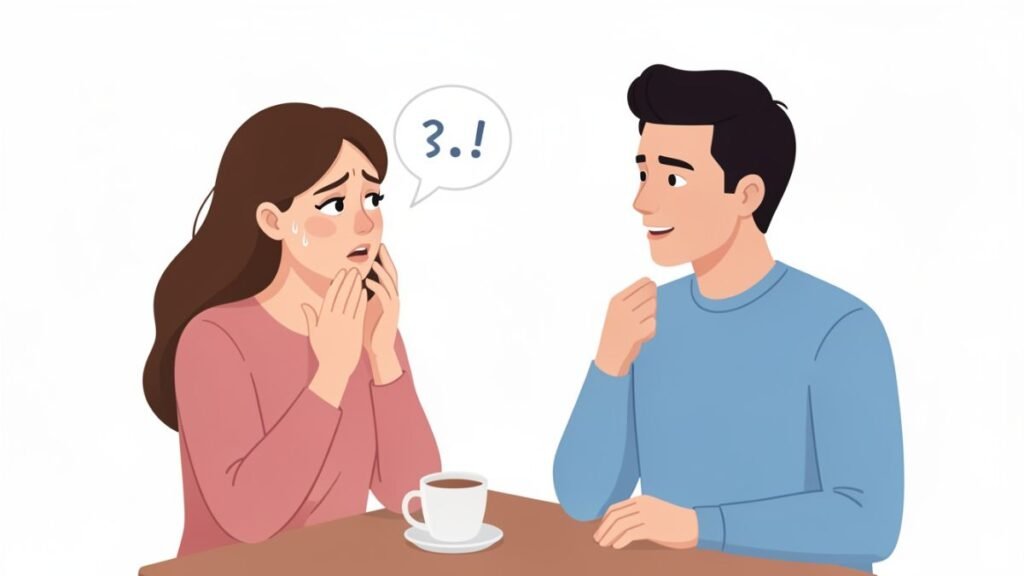
You need reassurance. You need emotional support. You need him to be present, to comfort you, to help you feel secure.
So you reach out to him emotionally.
And instead of meeting you where you are, instead of providing comfort, instead of being emotionally present, he shuts down completely.
He becomes cold. Distant. Uncomfortable. Maybe irritated. He gives you nothing emotionally. He pulls away right when you need him to come closer.
Your emotional need triggers his emotional withdrawal.
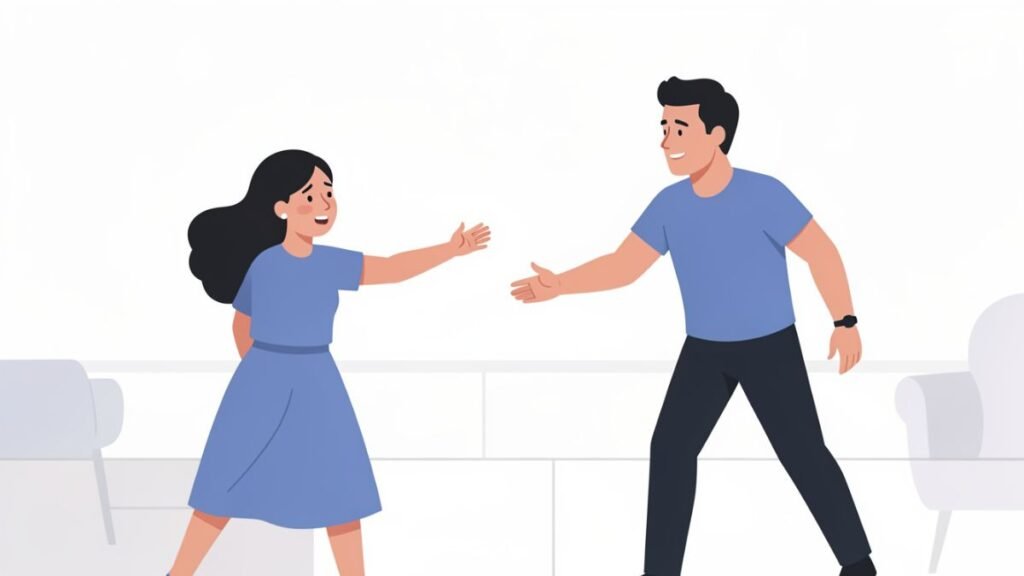
So you learn that being vulnerable, needing reassurance, expressing emotional needs—pushes him away instead of bringing him closer.
You start hiding your needs. Pretending you’re fine when you’re not. Dealing with insecurity and anxiety alone. You become emotionally self-sufficient not by choice, but by necessity.
I see how lonely this makes you, how you can’t be yourself. How you’re starving for emotional connection while pretending you don’t need it.
And I see you wondering: “Why does he shut down when I need him? Is he just uncomfortable with emotions? Should I just handle my feelings alone?”
No, sis. You shouldn’t have to handle everything alone. His shutdown when you need reassurance reveals his emotional unavailability, and that’s a fundamental incompatibility you can’t fix.
Let me explain what’s really happening and why you deserve better.
What’s Really Happening: The Reassurance-Shutdown Cycle
As a man who understands emotional availability, let me be clear: Emotionally available partners respond to emotional needs with support, not withdrawal.
A healthy, emotionally available man:
- Hears your need for reassurance
- Asks what you need
- Provides comfort and support
- Makes you feel safe being vulnerable
- Doesn’t punish you for having emotional needs
Your boyfriend shuts down when you express emotional needs.
That’s not someone who can’t express emotions—that’s someone who can’t handle YOUR emotions.
Here’s what’s really going on:
He’s Emotionally Unavailable
At the core: He doesn’t have the emotional capacity to meet your needs.
Emotional availability requires:
- Ability to recognize others’ emotional needs
- Willingness to provide emotional support
- The capacity to sit with someone else’s discomfort
- Understanding that emotional needs are normal and healthy
Your boyfriend lacks these capacities.
When you need reassurance:
- He doesn’t know how to provide it
- He’s uncomfortable with your emotional vulnerability
- He can’t connect in the way you need
- He doesn’t want to deal with your feelings
So he shuts down—because emotionally, he has nothing to give you.
Your Emotional Needs Trigger His Discomfort
In his emotional framework:
- Emotions = weakness or burden
- Your needs = pressure on him
- Vulnerability = something to avoid
- Reassurance requests = demands he can’t meet
When you express a need for reassurance, he experiences:
- Discomfort with emotional intensity
- Pressure to perform emotionally
- Anxiety about not knowing what to do
- Fear of being inadequate
His shutdown is his way of escaping the discomfort YOUR emotions create in HIM.
He’s prioritizing his comfort over your emotional needs.
He Sees Emotional Needs as Manipulation
Some men are taught that:
- Women use emotions to manipulate
- Expressing needs is a power play
- Vulnerability is a weakness designed to control
- Reassurance requests are a “needy” behavior
Through this lens, when you say, “I’m feeling insecure and need reassurance.”
He hears: “I’m being manipulative and trying to control you through emotional neediness.”
So he shuts down to avoid being “manipulated.”
This is usually rooted in:
- Toxic masculinity messages
- Past relationship trauma
- Cynical worldview about emotions
- Misogyny about women’s emotional needs
He Learned Emotions Are Dangerous or Shameful
Think about where he might have learned to shut down:
Maybe:
- His family didn’t talk about feelings
- Emotions were punished or mocked in his household
- He was taught “boys don’t cry” and “emotions are weakness.”
- Vulnerability was unsafe in his childhood
- He was shamed for having emotional needs
He internalized: Emotions are dangerous, shameful, or something to suppress.
When you express emotions, he’s triggered by his own unprocessed relationship with feelings.
He shuts down because your emotions remind him of the emotions he’s spent a lifetime suppressing.
He Can’t Sit With Your Discomfort
Providing reassurance requires:
- Being able to sit with someone else’s anxiety/insecurity/pain
- Tolerating their discomfort without fixing it immediately
- Holding space for their feelings
Many people can’t do this. They become anxious when someone else is anxious. They want to eliminate discomfort (theirs or yours) immediately.
When you express a need for reassurance:
- Your discomfort makes him uncomfortable
- He can’t sit with that discomfort
- He shuts down to escape the feeling
It’s not that he doesn’t care—it’s that he can’t handle the emotional intensity of caring.
He’s Punishing You for Having Needs
Watch the conditioning pattern:
You express need → He shuts down → You feel rejected → You stop expressing needs → He gets a relationship without emotional labor
This might be unconscious, but it functions as punishment:
You learn: Expressing emotional needs = being shut out and rejected
So you stop expressing needs. You suppress yourself to avoid the shutdown.
Mission accomplished for him: He doesn’t have to meet emotional needs because you’ve learned not to express them.
He Fears Being Inadequate
Some men shut down because:
- They don’t know how to provide reassurance
- They’re afraid they’ll do it wrong
- They fear being inadequate to meet your needs
- Facing their inadequacy is too uncomfortable
So instead of trying and potentially failing, they shut down entirely.
It’s emotional avoidance driven by fear of inadequacy.
You’re Tolerating Emotional Neglect
Here’s the hard truth: You’re staying in a relationship where your emotional needs aren’t met.
Every time you:
- Accept his shutdown without leaving
- Stop asking for reassurance to avoid rejection
- Handle your emotions alone because he won’t help
- Stay despite emotional unavailability
You teach him: “I don’t need you to be emotionally available. My emotional needs aren’t dealbreakers.”
The pattern continues because you tolerate it.
Why This Pattern Is Destroying You
You’re emotionally starving. Your needs for reassurance, comfort, and emotional support aren’t being met. You’re living in emotional deprivation.
You can’t be vulnerable. Vulnerability gets punished with a shutdown, so you hide your real self.
You’re becoming someone you’re not. You’re suppressing needs, pretending to be fine, becoming emotionally self-sufficient by force—not because it’s who you are.
You feel rejected constantly. Every time you express a need, and he shuts down, you experience rejection.
You can’t have real intimacy. Intimacy requires mutual vulnerability. His shutdown prevents that.
You’re isolated in your struggles. You’re dealing with insecurity, anxiety, and emotional pain alone because your partner won’t support you.
Your mental health is suffering. Unmet emotional needs and repeated rejection lead to anxiety, depression, and diminished self-worth.
What You Need to Do
Step 1: Recognize Your Needs Are Valid
Needing reassurance is:
- Normal
- Healthy
- Not “needy”
- Not too much to ask
Trust that your emotional needs are legitimate.
Step 2: Name His Shutdown
When he shuts down after you express a need:
“I asked for reassurance, and you shut down emotionally. This is a pattern. When I express emotional needs, you withdraw. That’s not okay.”
Make the pattern conscious.
Step 3: Explain What You Need
Be specific:
“When I’m feeling insecure, I need you to listen, ask what I need to hear, and provide reassurance. I need you to move toward me emotionally, not away.”
Give him a clear picture of what reassurance looks like.
Step 4: Set a Boundary
“I need a partner who can provide emotional reassurance when I ask for it. That’s a basic relationship requirement. If you can’t do that, we’re not compatible.”
Make emotional availability non-negotiable.
Step 5: Observe His Response
After setting the boundary, watch:
Does he:
- Acknowledge the problem?
- Try to understand what you need.
- Make a genuine effort to change?
- Follow through consistently?
Or does he:
- Get defensive?
- Blame you for being “too needy”?
- Make minimal effort that doesn’t last?
- Continue shutting down?
His response tells you if change is possible.
Step 6: Suggest Therapy
If he’s willing to work on emotional availability:
“This pattern is rooted in your relationship with emotions. Individual therapy could help you develop the capacity to meet my emotional needs. Would you be willing to try that?”
Emotional unavailability usually requires professional help to change.
Step 7: Don’t Suppress Your Needs
Don’t:
- Stop asking for reassurance to avoid shutdown
- Pretend you’re fine when you’re not
- Become emotionally self-sufficient because he can’t help
Keep expressing needs. Don’t train yourself out of vulnerability.
Step 8: Leave If He Can’t Change
If he:
- Continues shutting down despite clear communication
- Won’t go to therapy
- Blames you for having needs
- Can’t or won’t develop emotional availability
Leave.
You cannot have a healthy relationship with someone who can’t meet basic emotional needs.
What You Need to Understand
Emotional Availability Can’t Be Faked
Some people are emotionally available. Some aren’t.
You can’t:
- Love someone into emotional availability
- Explain your needs clearly enough to create capacity
- Suppress yourself small enough to fit his limitations
Either he has emotional capacity, or he doesn’t.
This Is About Compatibility
You need emotional support and reassurance.
He can’t provide it.
That’s fundamental incompatibility.
It’s not that either of you is wrong—you’re just incompatible.
Reassurance Should Be Easy
In emotionally healthy relationships:
- Reassurance is easy to give
- Partners want to provide comfort
- Vulnerability brings you closer, not pushes you apart
If reassurance feels like a burden to him, he’s not emotionally equipped for a relationship with you.
You Deserve Emotional Support
You’re not asking for too much.
Everyone needs reassurance sometimes. Wanting emotional support from your partner is normal and healthy.
If he makes you feel “too needy” for having normal needs, he’s the problem.
What You Deserve
You deserve a partner who moves TOWARD you when you’re vulnerable, not away.
Someone who says, “What do you need to hear?” when you express insecurity.
Someone who makes you feel safe expressing needs, not punished for it.
Someone emotionally available enough to meet basic emotional needs.
That person exists. But it’s not someone who shuts down when you need reassurance.
The Bottom Line
Sis, he shuts down emotionally when you need reassurance because:
- He’s fundamentally emotionally unavailable
- Your emotional needs trigger his discomfort
- He can’t sit with your emotions
- He’s punishing you for having needs
- He learned that emotions are dangerous or shameful
You’re not too needy. He’s emotionally negligent.
Set boundaries. Demand emotional availability. Leave if he can’t provide it.
Choose yourself, sis. You deserve emotional support, not shutdown.
FAQ
Q: How much reassurance is too much?
If you need reassurance multiple times daily or can’t function without constant reassurance, that might indicate anxiety to work on independently. Occasional reassurance needs are completely normal.
Q: What if he’s just “not good at emotions”?
Being “not good at emotions” doesn’t exempt someone from basic relationship requirements. He can learn through therapy if he’s willing. If he’s not willing, he’s choosing emotional unavailability.
Q: Should I just become more self-sufficient emotionally?
Working on your own emotional regulation is always good. But you shouldn’t have to suppress normal emotional needs because your partner can’t meet them. Both/and, not either/or.
Q: What if I’m asking for reassurance because he gives me reasons to feel insecure?
Then the problem isn’t your need for reassurance—it’s his behavior creating insecurity. Address the actual problem (his behavior), not the symptom (your need for reassurance).
Q: Can emotionally unavailable people change?
Rarely, and only with intensive therapy and a genuine desire to change. Most don’t change because they don’t see their emotional unavailability as a problem. Don’t wait around hoping.