
Why do I still feel attached to someone who left is a question many women silently carry.
Sis, I see you carrying someone who’s no longer here.
If you’re wondering why you still feel attached to someone who left, you’re not alone.
He left. Weeks ago. Months ago. Maybe even years ago.
He walked away. He ended it. He chose to leave. He’s gone.
And yet, you’re still attached. Still thinking about him constantly. Still feeling connected to someone who disconnected from you. Still emotionally tethered to someone who cut the rope and walked away.
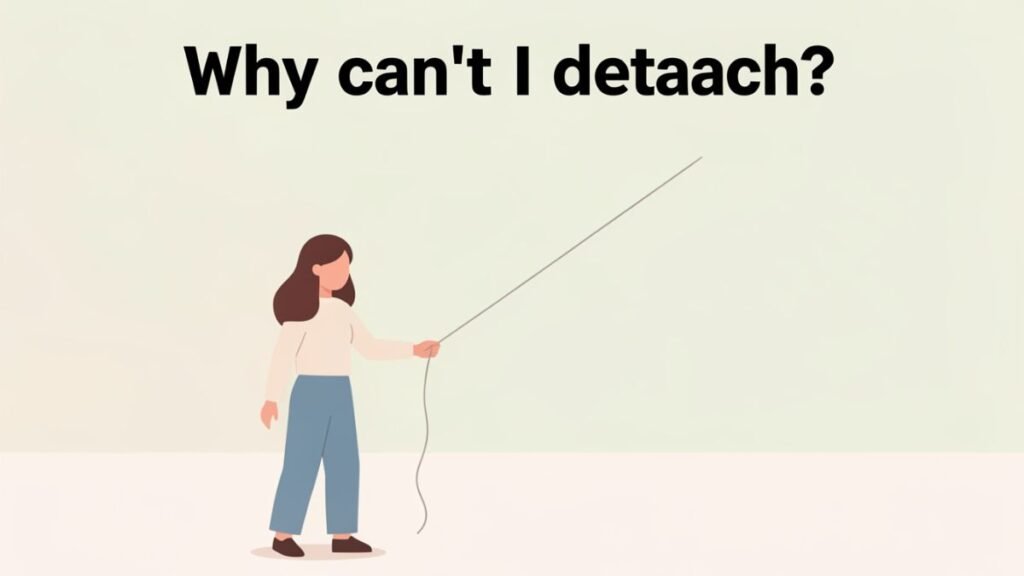
He’s living his life, moving forward, probably not thinking about you at all. And you’re stuck, still holding onto a connection that he severed.
I see you frustrated with yourself: “Why can’t I just move on? He left me. Why am I still attached to someone who abandoned me? What’s wrong with me?”
Let me help you understand what’s really happening and how to break emotional attachment after a breakup.
Why Do I Still Feel Attached to Someone Who Left? The Real Reasons
As a man who understands attachment and loss, let me tell you something that might surprise you: Being left doesn’t automatically break attachment. Often, it strengthens it.
Here’s what’s really going on:
Abandonment Activates Attachment, Not Breaks It
Think about what happens when someone leaves:
You’d expect: Attachment would break. The bond would dissolve. You’d feel relieved.
What actually happens: The attachment intensifies. You cling harder. The bond feels stronger than ever.
This is how attachment works and why emotional bonds don’t disappear overnight. When we lose someone we’re bonded to, our attachment system goes into overdrive trying to restore the connection.
It’s like a child whose parent walks away; the child doesn’t stop feeling attached. The child desperately wants the parent back. The abandonment activates attachment anxiety, not detachment.
Your brain is doing what it’s wired to do: trying to restore a severed bond by maintaining the attachment.
You’re grieving the abandonment, not just the person, and healing requires time and emotional processing.
You’re not just attached to him. You’re attached to the trauma of being left.
Being abandoned triggers:
- Old wounds from past abandonments
- Core beliefs about being “leavable.”
- Fears about your worth
- Questions about what’s wrong with you
The attachment isn’t just to him—it’s to the unresolved pain of being left. Until you process that pain, the attachment remains.
His Leaving Made You Want Him More
There’s a painful psychological truth: Rejection often increases desire.
When someone chooses us, we can relax. When someone rejects us, we become obsessed with regaining their approval.
His leaving made him more valuable in your mind, not less. Because now he’s the one who got away. The one who didn’t choose you. The one whose approval you’re desperate to regain.
You’re attached because his rejection made you want his validation more than ever.
You Never Got Closure
He left, but did you get answers?
Did he explain why? Did you understand what happened? Did you get to process the end together?
Probably not. Most people who leave don’t provide real closure. They ghost, give vague excuses, or blame you without a real explanation.
Without closure, your brain can’t file this away as “complete.” The attachment remains active because the story feels unfinished.
You’re still attached because your brain is still trying to resolve what happened.
You’re Holding Onto Hope He’ll Come Back
Be honest with yourself: Are you still hoping he’ll realize he made a mistake and return?
Part of you is keeping the attachment alive because if you let go completely, you have to accept he’s truly gone forever.
As long as you’re attached, there’s hope. Hope keeps you bonded to someone who’s no longer there.
He Left, But You Never Left
He physically left. But emotionally, you never left the relationship.
You’re still:
- Playing over conversations in your mind
- Analyzing what went wrong
- Wondering what he’s doing
- Imagining scenarios where he comes back
- Living in the past relationship
He left the relationship. You’re still in it. That’s why you’re still attached.
The Attachment Represents Your Self-Worth
In your mind, staying attached might feel like:
- Proof that what you had was real
- Evidence that you’re loyal and loving
- Protection against fully facing that you weren’t enough for him to stay
- A way to avoid accepting the rejection
Letting go feels like admitting: “I wasn’t valuable enough for him to stay. The rejection was valid.”
You’re staying attached to avoid that painful acceptance.
You’re Addicted to the Pain
This might sound strange, but sometimes we become addicted to our own suffering.
The pain of missing him, the attachment, the suffering—it becomes familiar. Comfortable in its discomfort.
Letting go would mean:
- Facing the unknown
- Building a new identity
- Living without this familiar pain
Sometimes we stay attached because the pain is more familiar than healing would be.
Why This Attachment Is Keeping You Stuck
You’re living in the past. While he’s moved on, you’re stuck in what was. You can’t build a future when you’re emotionally living in the past.
You’re unavailable for new love. You’re so attached to him that you’re not emotionally available for someone new. You’re blocking your own future.
You’re giving him power he doesn’t deserve. He left you and moved on. You’re giving him continued power over your emotional state by staying attached.
You’re reinforcing your abandonment wound. Every day you stay attached to someone who left, you’re teaching yourself that you’re someone people leave. You’re strengthening the wound.
You’re missing your own life. While you’re attached to someone who’s gone, your actual life is passing by. You’re missing opportunities, growth, joy.
You can’t heal. You can’t heal from someone you’re still attached to. The attachment keeps the wound open.
How to Break the Attachment
Step 1: Accept That He’s Really Gone
Stop living in hope that he’ll come back. Accept the finality.
He left. He’s gone. He’s not coming back.
Even if he does come back someday, you need to live as if he won’t. Hoping keeps you stuck.
Step 2: Go Full No Contact
You cannot break an attachment while maintaining any connection.
Block him completely:
- Phone, social media, email
- Mutual friends’ accounts where you might see him
- Any possible access to information about him
Every time you see or hear about him, you reinforce the attachment. Cut all ties.
Step 3: Grieve the Abandonment
You need to process not just losing him, but the pain of being left.
Grieve:
- The rejection
- The abandonment wound
- What being left triggered in you
- Old wounds that were activated
Allow yourself to feel the pain of being abandoned. You can’t heal what you don’t feel.
Step 4: Process the Lack of Closure
You probably won’t get closure from him. You have to give it to yourself.
Write a letter to yourself:
- Acknowledging what happened
- Explaining (to yourself) why he might have left
- Accepting that you may never know the full truth
- Giving yourself permission to move on without all the answers
Closure is something you give yourself, not something he gives you.
Step 5: Challenge What His Leaving Means
His leaving doesn’t mean:
- You’re not valuable
- You’re someone people abandon
- Something is wrong with you
- You’re not worthy of staying for
His leaving means:
- He couldn’t or wouldn’t be in the relationship
- You’re not compatible
- The relationship wasn’t right
- His capacity was limited
Stop letting his leaving define your worth.
Step 6: Emotionally Leave the Relationship
He left physically. You need to leave emotionally.
Stop:
- Replaying the relationship in your mind
- Analyzing what went wrong
- Imagining him coming back
- Living in the memories
Consciously choose to leave the relationship emotionally. Put it in the past where it belongs.
Step 7: Redirect the Energy
All the energy you’re putting into attachment—redirect it into your own life.
Pour that energy into:
- Your goals and dreams
- Your friendships
- Your growth and healing
- Building the life you want
Stop giving him your energy. Give it to yourself.
Step 8: Get Professional Support
If you can’t break the attachment on your own, get help.
A therapist can help you:
- Process abandonment wounds
- Break unhealthy attachment patterns
- Grieve the loss
- Move forward
You don’t have to do this alone.
Step 9: Give It Time
Breaking attachment doesn’t happen overnight. It’s a process.
Some days you’ll feel strong. Some days, the attachment will feel as strong as ever.
That’s normal. Keep doing the work. Keep moving forward.
Eventually, the attachment will break.
What You Need to Understand
Attachment After Abandonment Is Normal
You’re not weak or broken for still feeling attached to someone who left.
This is a normal psychological response to loss and abandonment. Your brain is trying to restore a severed bond.
You’re not defective for feeling this way.
Breaking Attachment Requires Active Work
The attachment won’t fade on its own while you’re still hoping, still checking on him, still emotionally engaged.
You have to actively work to break it. Through no contact, processing grief, challenging beliefs, and redirecting energy.
He Left, But You’re Not Unlovable
His leaving doesn’t mean you’re someone people leave. It doesn’t mean you’re not worthy of staying for.
It means he left. That’s about him his capacity, his choice, his inability to be in that relationship.
You’re still worthy of someone who stays.
You Will Love Again
Right now, you can’t imagine loving anyone else. But you will.
Once you break this attachment and heal, you’ll be available for someone who actually wants to stay.
The Bottom Line
Sis, you still feel attached to someone who left because:
- Abandonment activates attachment, not breaks it
- You’re grieving the abandonment wound
- You never got closure
- You’re holding onto hope
- You haven’t emotionally left the relationship
This is normal. But it’s keeping you stuck.
Do the work to break the attachment. Go no contact. Grieve. Process. Redirect your energy.
He left. Now it’s time for you to leave, too, emotionally.
Choose yourself, sis. Break the bond. Build your life. You deserve someone who stays.
FAQ
Q: How long will I feel attached after someone leaves?
It varies—weeks to years depending on relationship length, attachment style, and whether you do healing work. Active work speeds the process.
Q: What if I see him around (work, shared friend group)?
Limit contact as much as possible. When you must interact, keep it brief and surface. Don’t engage emotionally. Process your feelings afterward.
Q: Is it normal to miss someone who treated me badly?
Yes. Attachment doesn’t care if someone was good for you. You can be attached to someone who hurt you. That’s why breaking the bond requires conscious work.
Q: What if part of me still hopes he’ll come back?
Acknowledge that part exists, but don’t let it run your life. Act as if he won’t come back. Build your life without him. If he does return, you can decide then—but don’t put your life on hold.
Q: How do I know when the attachment is finally broken?
When you can think about him without emotional charge. When you don’t check his social media. When you’re genuinely building a life without him. When the idea of him with someone else doesn’t devastate you.