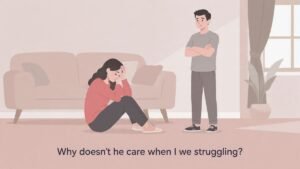
Sis, I see the pattern tormenting you.
Some days you feel strong. You’re okay. You’re moving forward. You might even feel like you’re over him. You think: “I’m healing. I’m doing it.”
Then a wave hits.
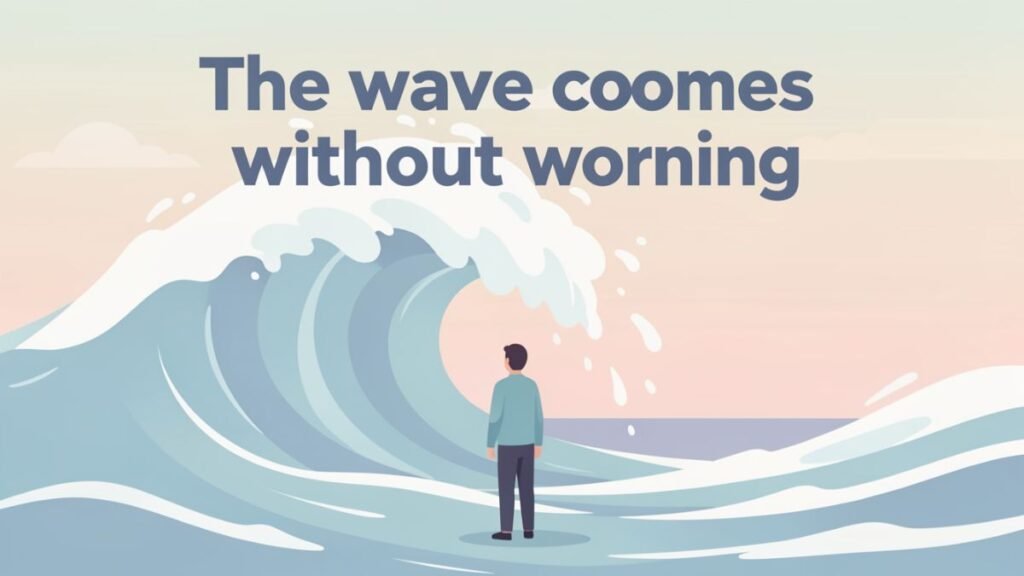
Out of nowhere, the missing crashes over you. Intense. Overwhelming. Devastating.
You’re right back where you started—crying, aching, desperate, feeling like you’ve made no progress at all.
Then the wave passes. You feel okay again. Until the next wave hits.
I see you confused and frustrated: “Why does it come and go? Why am I fine one day and destroyed the next? Am I ever going to heal if it keeps coming back like this?”
Let me help you understand what’s really happening and why this wave pattern is actually normal—even necessary—for healing.
What’s Really Happening: The Nature of Grief Waves
As a man who understands grief and healing, let me tell you something important: Healing is not linear. Grief comes in waves. This is how human beings process loss.
You’re not broken. You’re not failing. You’re experiencing exactly what you’re supposed to experience.
Here’s what’s really going on:
Grief Doesn’t Follow a Straight Line
You might expect healing to look like this:
Day 1: Intense pain
Day 30: Moderate pain
Day 60: Mild pain
Day 90: No pain
But healing actually looks like this:
Day 1: Intense pain
Day 5: Okay
Day 7: Intense pain
Day 10: Pretty good
Day 12: Devastating
Day 15: Manageable
Day 20: Terrible
Day 25: Better
Up and down. Waves. Not a steady decline.
This isn’t you failing. This is how grief works.
Your Brain Is Processing in Cycles
Think of grief processing like digesting a heavy meal:
Your brain can only process so much emotional pain at once. So it processes in cycles:
Cycle 1: Feel the pain intensely → Overwhelm → Need a break
Cycle 2: Break from pain → Recovery → Pain resurfaces
Cycle 3: Process more pain → Overwhelm → Break
Each wave is your brain processing another layer of the loss. You’re not going backwards—you’re going deeper.
Triggers Activate the Waves
Waves often hit when something triggers a memory or emotion:
Common triggers:
- A song you associate with him
- A place you went together
- A smell that reminds you of him
- A date or anniversary
- Seeing a couple
- Something he would have said or done
- Random memories surfacing
Even tiny triggers you don’t consciously notice can activate a wave.
The wave isn’t random—it’s triggered. You just don’t always see what triggered it.
Progress Creates New Waves
This sounds backwards, but sometimes waves hit because you’re healing:
When you start feeling better, your psyche realizes: “Oh, we’re really letting go. This is really over.”
That realization triggers a new wave of grief about the finality.
Progress can activate grief. It’s counterintuitive but normal.
Waves Get Smaller and Further Apart
Here’s the important part: The waves change over time.
Early on:
- Waves are massive
- They come frequently
- They last long
- You drown in them
Later:
- Waves are smaller
- They come less often
- They pass faster
- You can ride them
You’re not going backwards when waves hit. The fact that you have good days between waves means you’re healing.
Different Layers Surface at Different Times
You’re not just grieving one thing. You’re grieving multiple layers:
- The relationship itself
- The person you thought he was
- The future you imagined
- Who you were in the relationship
- Time invested
- Trust that was broken
Each layer surfaces and needs to be grieved. One wave might be about missing him. The next might be about mourning lost time. The next about grieving who you were.
Different waves are processing different layers.
Your Nervous System Needs Breaks
Continuous intense grief would overwhelm your system. So your nervous system regulates:
Intense wave → Your body says “Too much, we need a break” → Calm period → System recovers → Next wave surfaces
The breaks between waves aren’t denial or avoidance. They’re your nervous system’s way of making grief survivable.
Anniversary Reactions and Unexpected Waves
Some waves hit on specific dates:
- When you met
- First date
- When he left
- Holidays you spent together
Anniversary reactions are real. Your body and mind remember even when you consciously don’t.
Unexpected waves around significant dates are normal.
Why Understanding Waves Matters
You stop thinking you’re failing. When you understand waves are normal, you don’t panic when they hit.
You can ride them instead of drowning. Knowing the wave will pass makes it bearable.
You trust the process. Even when waves hit, you know you’re still healing—not going backwards.
You stop judging yourself. The wave doesn’t mean you’re weak or not over him. It means you’re human.
You can prepare. Knowing waves might hit helps you develop coping strategies.
You gain perspective. You can track that waves are indeed getting smaller and less frequent, even if they still hurt.
How to Navigate the Waves
Step 1: Recognize When a Wave Is Hitting
Notice the signs:
- Sudden intense missing
- Crying that seems to come from nowhere
- Physical ache in your chest
- Desperate urge to contact him
- Feeling like you’re back at square one
Name it: “This is a grief wave. It will pass.”
Step 2: Don’t Fight the Wave
Resisting makes it worse. Like fighting an ocean wave—you’ll get tumbled.
Instead of fighting:
- Acknowledge: “A wave is here”
- Allow the feelings
- Feel them fully
- Let them move through you
The wave will pass faster if you don’t resist it.
Step 3: Remember: This Is Temporary
When you’re in the wave, it feels like it will last forever.
Remind yourself: “This is a wave. Waves pass. This will pass. I just need to ride it out.”
Focus on getting through this wave, not on feeling better permanently right now.
Step 4: Have Wave Strategies Ready
When a wave hits, have a plan:
Healthy coping:
- Call a friend who understands
- Journal the feelings
- Cry it out
- Go for a walk
- Listen to music (non-triggering)
- Use a grounding technique
Have these strategies ready before the wave hits.
Step 5: Don’t Make Decisions During Waves
Never:
- Text him during a wave
- Make major decisions
- Judge your progress
- Decide you’ll never heal
- Conclude you should get back together
Waves create intense but temporary emotions. Don’t act on them.
Step 6: Track the Waves
Keep a simple log:
- When waves hit
- How intense (1-10)
- How long they lasted
- Possible triggers
Over time, you’ll see patterns:
- Waves are less intense
- They come less frequently
- They pass more quickly
This gives you evidence you’re healing even when it doesn’t feel like it.
Step 7: Identify and Manage Triggers
If you notice certain triggers consistently cause waves:
Manage them:
- Avoid triggering places/music for a while
- Prepare for anniversary dates
- Create new associations
- Have extra support on triggering days
You can’t avoid all triggers, but managing known ones helps.
Step 8: Practice Self-Compassion During Waves
Don’t beat yourself up:
- “I should be over this by now”
- “I’m so weak”
- “What’s wrong with me?”
Instead: “This is hard. I’m doing my best. Grief comes in waves. I’m being patient with myself.”
Compassion during waves makes them more bearable.
Step 9: Celebrate the Calm Between Waves
Notice when you’re NOT in a wave:
“I’m okay right now. I’m functioning. I’m not actively missing him in this moment.”
The calm periods are evidence of healing. Acknowledge them.
Step 10: Get Support for Persistent Waves
If waves aren’t decreasing in frequency or intensity after months, you might need professional help.
A therapist can help if:
- Waves are still constant after 6+ months
- They’re not getting smaller
- You can’t function during them
- You’re stuck in the wave pattern
Sometimes we need help processing what we can’t process alone.
What You Need to Know
Waves Don’t Mean You’re Not Healing
The presence of waves doesn’t indicate lack of progress.
Waves are part of healing. They’re how your system processes loss.
Progress is measured by:
- Waves getting smaller over time
- More time between waves
- Waves passing faster
- Better ability to function during waves
Not by the absence of waves.
You’re Not “Over It” When Waves Stop
Even years later, small waves might hit occasionally. That’s normal.
Being healed doesn’t mean never thinking about him or never feeling anything. It means waves are manageable and don’t disrupt your life.
Each Wave Processes Something
No wave is pointless. Each one is processing a layer of grief, a memory, a realization, a letting go.
Trust that each wave is moving you forward, even when it feels like you’re going backwards.
Waves Eventually Do Get Smaller
Right now, waves feel unbearable and constant. They will decrease.
With time and healing work:
- Frequency decreases
- Intensity lessens
- Duration shortens
- You develop capacity to ride them
This won’t last forever.
The Bottom Line
Sis, missing your ex comes in waves because:
- Grief is not linear—it’s cyclical
- Your brain processes in layers
- Triggers activate memories and emotions
- Your nervous system needs breaks between processing
- Healing happens in cycles, not straight lines
Waves are not failure. Waves are healing in action.
Learn to ride them. Don’t fight them. Trust they’ll pass.
Track them over time and you’ll see: they’re getting smaller, less frequent, more manageable.
You’re healing, even when the waves make it feel like you’re not.
Choose yourself, sis. Ride the waves. They will get smaller.
FAQ
Q: How long will I experience these waves?
Waves can last months to years, but they change significantly. First few months: frequent and intense. 6-12 months: less frequent, more manageable. After a year+: occasional small waves. Everyone’s different.
Q: What if a wave hits and I can’t function?
For intense waves: take care of immediate needs (call in sick if necessary, cancel plans, reach out for support). If you consistently can’t function during waves, seek professional help.
Q: Do waves mean I’m not really over him?
No. Waves are how you GET over him. They’re processing, not proof of attachment. Being “over” someone doesn’t mean never having feelings—it means feelings don’t control your life.
Q: What if the waves seem to be getting worse, not better?
If waves increase or intensify after months, you may be avoiding processing. Or there’s unresolved trauma. This usually indicates need for therapy to work through what you’re stuck on.
Q: Is it normal for waves to hit years later?
Yes. Particularly around anniversaries, life transitions, or when something reminds you of that time. Late waves are typically brief and mild compared to early ones.