
Sis, I need to talk to you about what happens when you express a perfectly normal need.
You’re feeling uncertain. Maybe insecure. Maybe something happened that triggered doubt. Maybe you just need to hear that he cares, that the relationship is solid, that you matter to him.
So you ask for reassurance.
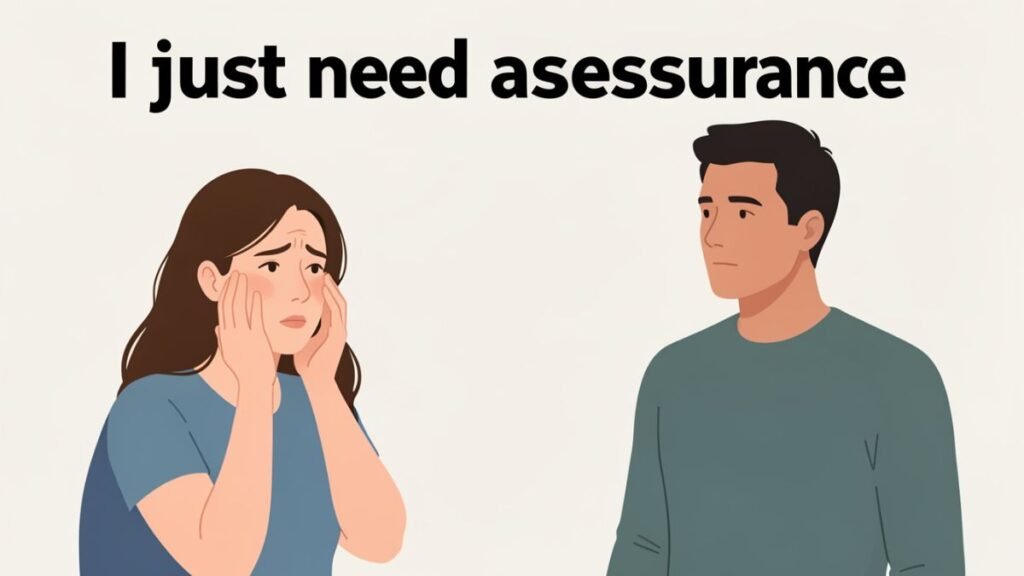
Not constantly. Not in a manipulative way. Just… honestly expressing a need for emotional connection and security.
And instead of giving you what you need, he pulls away.
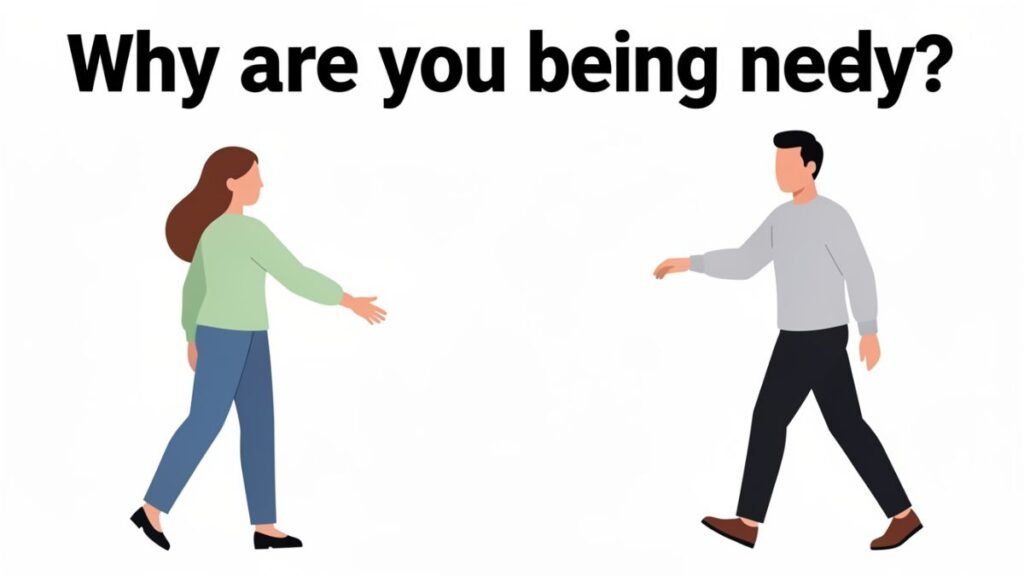
He gets distant. He withdraws emotionally. He becomes cold or irritated. He makes you feel like you’ve done something wrong by asking. He creates space between you right when you need closeness.
Your need for reassurance pushes him away instead of bringing him closer.
So you learn to stop asking. You suppress your needs. You deal with insecurity alone. You become afraid to express vulnerability because it drives him away.
You’re starving for emotional connection while pretending you don’t need it.
controlling decisions in a relationship
I see how lonely this makes you. How are you learning to hide your needs instead of having them met? How are you becoming smaller and quieter in the relationship?
And I see you wondering: “Why does asking for reassurance push him away? Am I being too needy? Should I just handle my insecurity alone?”
No, sis. You’re not too needy. Asking for reassurance is normal and healthy. His withdrawal is the problem—and it tells you everything about his emotional capacity.
Let me explain what’s really happening and what you need to do about it.
What’s Really Happening: The Reassurance-Withdrawal Cycle
As a man who understands healthy emotional connection, let me be clear: Healthy partners respond to requests for reassurance with… reassurance.
An emotionally available man hears “I need reassurance” and responds: “Of course. What do you need to hear? How can I help you feel secure?”
Your boyfriend hears “I need reassurance” and responds by withdrawing, creating the exact opposite of what you need.
That’s not normal. That’s emotional unavailability—and it’s damaging you.
Here’s what’s really going on:
He’s Emotionally Unavailable
At the core: He doesn’t have the emotional capacity to meet your needs.
Emotional availability means:
- Ability to connect emotionally
- Willingness to provide comfort and reassurance
- Capacity to handle a partner’s vulnerability
- Understanding that emotional needs are normal
Your boyfriend lacks these capacities.
When you ask for reassurance:
- He doesn’t know how to provide it
- He’s uncomfortable with your emotional need
- He can’t connect in the way you need
- He doesn’t want to deal with your vulnerability
So he withdraws—because emotionally, he has nothing to give you.
Your Need Feels Like Pressure
In his mind, your request for reassurance feels like:
- Pressure to perform emotionally
- Expectation he can’t meet
- Demand for something he doesn’t know how to give
- Criticism that he’s not enough
So he pulls away to escape the pressure.
Here’s what he doesn’t understand: Reassurance should be easy and natural in a loving relationship. “I care about you. You’re important to me. We’re solid.”
But for him, reassurance feels like an overwhelming emotional demand he can’t handle.
His withdrawal is his way of saying: “I can’t give you what you need, and that makes me uncomfortable, so I’m leaving the situation.”
He Interprets Your Need as Weakness
Some men are raised to see emotional needs as weakness:
In his worldview:
- Needing reassurance = insecurity
- Insecurity = weakness
- Weakness = unattractive
When you ask for reassurance, he sees weakness (even though needing reassurance is completely normal and healthy).
His withdrawal is his response to what he perceives as your weakness. He’s turned off, annoyed, or contemptuous of your need.
This reveals his emotional immaturity and inability to handle a real relationship.
He Fears Your Emotional Needs
Your request for reassurance might trigger his fear:
- “If I reassure her now, she’ll need more reassurance later.”
- “If I meet this need, she’ll have more needs.”
- “If I give this, she’ll become dependent.”
- “If I provide comfort, she’ll become ‘needy'”
He sees your emotional needs as a slippery slope that will lead to you being “high maintenance” or dependent.
So he withdraws to establish: “I’m not going to be your source of emotional support. Don’t come to me with these needs.”
He’s training you to stop asking for what you need.
He’s Punishing You for Having Needs
Watch the pattern:
You express a need → He withdraws → You feel rejected and hurt → You learn: expressing needs = punishment
This is conditioning.
His withdrawal punishes you for vulnerability so you’ll stop being vulnerable with him.
Eventually:
- You suppress needs to avoid withdrawal
- You become emotionally self-sufficient (not by choice, by necessity)
- You stop bringing your vulnerability to the relationship
- You handle insecurity alone
Mission accomplished—for him. He doesn’t have to meet emotional needs because you’ve stopped expressing them.
He Doesn’t Actually Want Emotional Intimacy
Emotional intimacy requires:
- Vulnerability
- Meeting each other’s emotional needs
- Comfort and reassurance
- Emotional availability
Your boyfriend doesn’t want this. He wants the benefits of a relationship (companionship, sex, someone there for him) without the emotional depth and responsibility.
When you ask for reassurance, you’re asking for emotional intimacy.
His withdrawal is his way of saying: “I don’t want that level of intimacy. Keep it surface-level.”
He’s Withholding to Maintain Power
In some dynamics, withdrawal is strategic:
If he gives reassurance easily:
- You feel secure
- You have emotional power in the relationship
- You might be less anxious to please him
- You’re meeting your needs through him
If he withholds reassurance:
- You feel insecure
- You’re constantly seeking his validation
- You’re anxious and trying harder
- You’re dependent on him for security, you’re not getting
Withholding reassurance keeps you in a position of need while he maintains power through withholding what you need.
This is manipulation.
You’re Tolerating Emotional Neglect
Here’s the hard truth: You keep staying even though he won’t meet your basic emotional needs.
You’re teaching him: “I’ll stay even if you withdraw when I need reassurance. I’ll stay even if you don’t meet my emotional needs. My needs aren’t dealbreakers.”
So he doesn’t change. Why would he? You’re staying anyway.
Why This Pattern Is Destroying You
You’re emotionally starving. Your needs for reassurance, connection, and security aren’t being met. You’re living in emotional deprivation.
You’ve learned to suppress yourself. You hide your needs, your insecurities, your vulnerabilities to avoid his withdrawal.
You feel rejected constantly. Every time you express a need, and he withdraws, you experience rejection. That’s traumatic.
You’re becoming anxious and insecure. Ironically, his refusal to give reassurance is creating MORE insecurity, which makes you need MORE reassurance he won’t give.
You can’t have real intimacy. Without the ability to express needs and have them met, you can’t have genuine emotional intimacy.
You’re losing yourself. The real you has needs. By suppressing them, you’re suppressing yourself.
You’re accepting emotional neglect. His refusal to provide reassurance is a form of emotional neglect—and you’re tolerating it.
What You Need to Do
Step 1: Recognize Your Needs Are Normal
Needing reassurance is:
- Completely normal
- Healthy in relationships
- Not “too needy.”
- Not weakness
Trusting your needs are legitimate is the first step.
Step 2: Stop Suppressing Your Needs
Don’t:
- Hide your insecurity to avoid his withdrawal
- Pretend you don’t need reassurance
- Become emotionally self-sufficient because he won’t meet needs
Keep expressing your needs. Don’t train yourself out of vulnerability.
Step 3: Name His Pattern
When he withdraws after you ask for reassurance:
“I asked for reassurance, and you pulled away. That’s a pattern. When I express a need, you withdraw. That’s not okay.”
Make the pattern conscious and explicit.
Step 4: Call Out the Withdrawal
“I need reassurance right now, and you’re pulling away. That’s the opposite of what I need. If you can’t provide reassurance when I need it, we have a fundamental problem.”
Don’t let him withdraw silently. Name what he’s doing.
Step 5: Set a Boundary
“I need a partner who can provide emotional reassurance when I ask for it. That’s a basic relationship requirement. If you can’t do that, this relationship won’t work.”
Make reassurance non-negotiable.
Step 6: Stop Chasing When He Withdraws
When he pulls away after you ask for reassurance:
Don’t:
- Apologize for having needs
- Chase him to reconnect
- Try to prove you’re not “too needy.”
Do:
- Let him withdraw
- Maintain your boundary
- Evaluate if this relationship meets your needs
Stop rewarding his withdrawal by chasing.
Step 7: Evaluate If This Is Fixable
Ask yourself:
- Have you clearly communicated this pattern?
- Does he acknowledge it’s a problem?
- Is he willing to work on emotional availability?
- Has anything actually changed?
If you’ve addressed it and he still withdraws when you need reassurance, he’s not capable of meeting your emotional needs.
Step 8: Leave
If he consistently withdraws when you need reassurance:
This is emotional neglect, and you need to leave.
You cannot build a healthy relationship with someone who can’t meet basic emotional needs.
Don’t waste years with someone who pulls away when you need them most.
What You Need to Understand
Reassurance Should Be Easy
In a healthy relationship, reassurance is:
- Easy to give
- Freely offered
- Natural response to a partner’s vulnerability
If reassurance feels like a burden to him, he’s not emotionally equipped for a real relationship.
You’re Not Too Needy
Needing reassurance doesn’t make you needy.
Everyone needs reassurance sometimes. That’s a normal human emotional need.
If he makes you feel too needy for having normal needs, he’s the problem.
Withdrawal Is Rejection
When you express vulnerability, and he withdraws, you’re experiencing rejection.
Repeated rejection damages you. This is traumatic.
This Probably Won’t Change
Emotional unavailability is:
- Usually rooted in deep attachment wounds or personality
- Rarely changes without intensive therapy and genuine motivation
- Not something you can fix or love away
If he’s emotionally unavailable now, he’ll likely stay that way.
What You Deserve
You deserve a partner who moves TOWARD you when you need reassurance, not away.
Someone who says, “Of course, what do you need to hear?” when you express vulnerability.
Someone who makes you feel safe expressing needs instead of punished for it.
Someone emotionally available enough to meet your basic emotional needs.
That person exists. But it’s not him.
The Bottom Line
Sis, he pulls away when you ask for reassurance because:
- He’s emotionally unavailable
- Your need feels like pressure he can’t handle
- He interprets emotional needs as weakness
- He’s punishing you for having needs
- He’s withholding to maintain power
You’re not too needy. He’s emotionally neglectful.
Keep expressing your needs. Set boundaries. Demand reassurance.
And if he keeps withdrawing when you need him, leave.
Choose yourself, sis. You deserve someone who gives reassurance, not someone who withdraws when you need it most.
FAQ
Q: How do I know if I’m asking for too much reassurance?
Ask a therapist or trusted friend. If you need reassurance daily or multiple times daily, that might indicate an anxiety issue to work on. Occasionally needing reassurance is completely normal.
Q: What if he’s just not good at emotional stuff because of how he was raised?
That explains WHY he’s emotionally unavailable, but it doesn’t excuse it or obligate you to stay. He’s an adult responsible for developing emotional capacity through therapy if needed.
Q: Should I just stop asking for reassurance and handle insecurity myself?
You can work on your own security (always good), but you shouldn’t have to suppress normal emotional needs because your partner can’t meet them. Both/and, not either/or.
Q: What if I’m asking for reassurance because he’s actually giving me reasons to be insecure?
Then the problem isn’t your need for reassurance—it’s his behavior creating insecurity. Address the actual problem (his behavior), not just the symptom (your need for reassurance).
Q: Can emotionally unavailable people change?
Rarely, and only with intensive therapy and a genuine desire to change. Most don’t because they don’t see their emotional unavailability as a problem. Don’t wait around hoping for change that probably won’t come.