Sis, I need to talk to you about the disorientation you’re experiencing.
The relationship ended. And with it, something else disappeared too.
You.
Not physically. But the “you” you knew. The “you” you understood. The “you” who had direction, purpose, identity.
Now you feel completely lost.
Not sad. Not heartbroken. Not angry. Lost.
Like:
- You don’t know who you are anymore
- You don’t know what you want
- You don’t know where you’re going
- You don’t know what you like
- You don’t recognize yourself
- You have no sense of direction
Everything feels disorienting:
- You wake up and don’t know what to do with your day
- People ask what you want and you have no answer
- Decisions feel impossible because you don’t know your preferences
- Your reflection in the mirror looks unfamiliar
- You feel like a stranger to yourself
You’re not just missing them. You’re missing YOU.
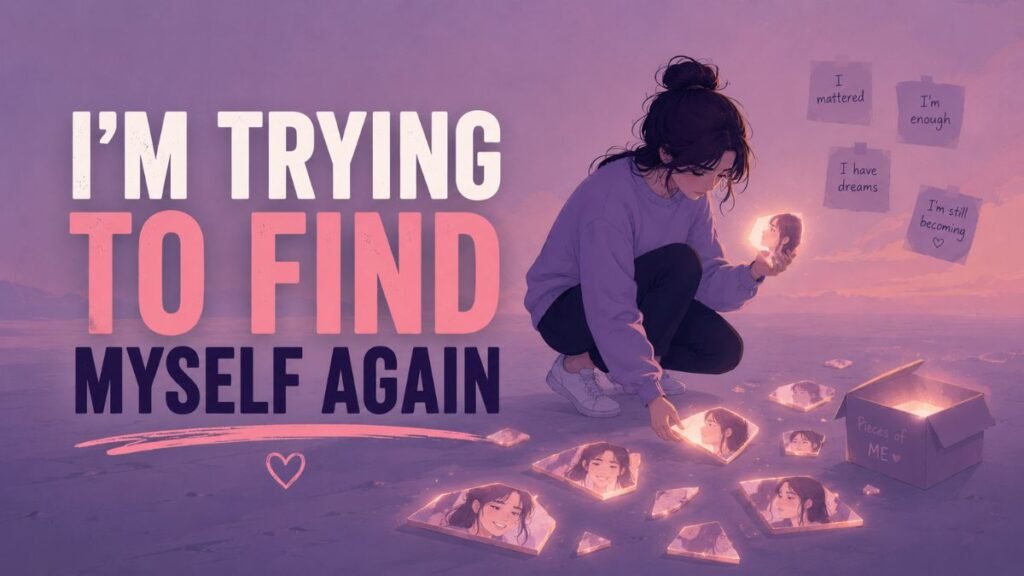
The person you were. The life you had. The identity that made sense.
And without the relationship:
- That person doesn’t exist anymore
- That life is gone
- That identity has vanished
So you’re wandering through your own life like a ghost:
- Present but not really there
- Going through motions without knowing why
- Existing but not living
- Lost in territory that used to be familiar
I see how disorienting this is. How you don’t just miss the relationship—you miss knowing who you are. How you’re searching for yourself and coming up empty. How being lost feels worse than being sad.
And I see you wondering: “Why do I feel so lost? Where did I go? Will I ever find myself again? Who am I without them?”
You feel lost because you built your identity around the relationship, sis. And when it ended, you lost the map you were using to navigate life. But you’re not actually lost—you’re just in between identities. The old you is gone, and the new you hasn’t fully emerged yet. And that in-between space is disorienting. But it’s also where you find yourself.
Let me help you understand why you feel lost after a relationship ends—and how to find yourself again.
What’s Really Happening: The Identity Dissolution
Let me be direct with you: Feeling lost after a breakup isn’t just about missing someone. It’s about losing the framework you used to understand yourself. When your identity was built around “we,” becoming “I” leaves you without a sense of who that “I” even is. You’re not lost forever—you’re just in the disorienting transition between who you were and who you’re becoming.
And that transition requires patience.
Here’s what’s really going on:
Your Identity Was “We” Not “I”
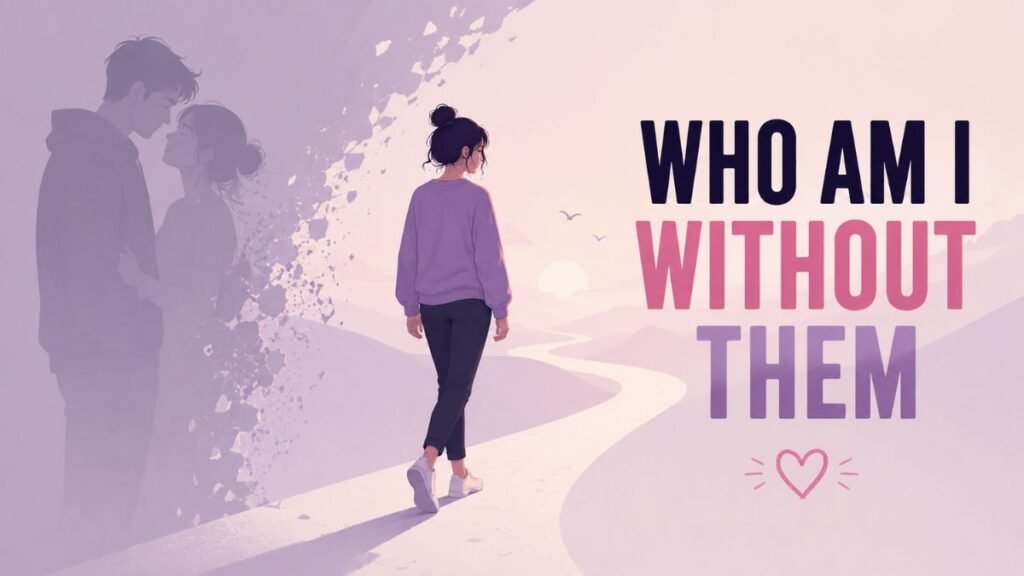
For the duration of the relationship:
- You were half of “we”
- Your decisions were “our” decisions
- Your life was “our” life
- Your identity included them
You thought of yourself as:
- Someone’s girlfriend/wife/partner
- Part of a couple
- Half of a unit
Now:
- “We” is gone
- There’s only “I”
- You’re a singular person
- You’re a complete unit alone
But you don’t know who “I” is:
- Who am I without being part of “we”?
- What do I want independent of “us”?
- Who is this singular person?
You feel lost after a relationship ends because your identity was built on being partnered—and without that partnership, you don’t know who you are because you haven’t been “just you” in years.
All Your Reference Points Disappeared
The relationship provided reference points:
You knew:
- What you were doing (building a life with them)
- Where you were going (toward a shared future)
- What mattered (the relationship)
- How to spend time (with them, around them)
- What your role was (partner)
Those reference points organized your life.
Now they’re gone:
- You don’t know what you’re doing
- You don’t know where you’re going
- You don’t know what matters
- You don’t know how to spend time
- You don’t know what your role is
You feel lost after a relationship ends because all the reference points that organized your life disappeared—and without them, you’re navigating without a map, compass, or destination.
You Adapted to Them—And Lost Yourself
During the relationship:
- You adapted to their preferences
- You accommodated their needs
- You adjusted your personality to fit
- You maybe suppressed parts of yourself
Over time:
- Your authentic preferences got buried
- You forgot what you actually liked
- You lost touch with your genuine self
- “You” became a version designed for the relationship
Now the relationship is gone:
- That adapted version doesn’t fit anymore
- But you can’t remember the original you
- You’re left with neither the adapted self nor the authentic self
You feel lost after a relationship ends because you spent so long being who the relationship needed that you forgot who you actually are—and now you’re searching for a self you can barely remember.
Your Future Disappeared
You had a future mapped out:
- Where you’d live
- What you’d build together
- Milestones you’d reach
- The life you’d create
- The person you’d become within that future
That future organized your present:
- Today made sense because it led to that tomorrow
- Current actions had purpose toward that goal
- Life had direction
Now that future is gone:
- You have no map for tomorrow
- Today has no clear purpose
- Life has no direction
You feel lost after a relationship ends because the future you were navigating toward vanished—and without a destination, you don’t know where you’re going or why you’re moving at all.
Your Daily Structure Disappeared
The relationship created structure:
- Morning routine (maybe with them)
- Evening plans (often with them)
- Weekend activities (centered around them)
- Holidays, vacations, traditions
- Time organized around the relationship
Now:
- Mornings have no routine
- Evenings have no default plan
- Weekends feel endless and empty
- Holidays have no structure
- Time feels formless
You feel lost after a relationship ends because the relationship structured your time—and without that structure, days feel shapeless and you don’t know what to do with yourself.
You’re in the In-Between Space
You’re not:
- The person you were before the relationship (that was years ago, you’ve changed)
- The person you were in the relationship (that version doesn’t fit anymore)
- The person you’ll become (you haven’t discovered them yet)
You’re in between:
- No longer the old self
- Not yet the new self
- Suspended in transition
This in-between space has no form:
- It’s undefined
- It’s disorienting
- It feels like nowhere
You feel lost after a relationship ends because you’re in the in-between space—not who you were, not yet who you’ll be—and that liminal space feels like being nowhere and no one.
You Don’t Know Your Preferences Anymore
During the relationship:
- Maybe they chose restaurants
- Maybe you deferred to their preferences
- Maybe decisions were made together
- Maybe you prioritized their likes
Now when people ask what you want:
- “Where do you want to eat?” → I don’t know
- “What do you want to do?” → I don’t know
- “What are your interests?” → I don’t know
You’ve lost touch with your preferences:
- What you actually like
- What you genuinely want
- What brings you joy
You feel lost after a relationship ends because you don’t know your own preferences anymore—they were either suppressed or shared for so long that you can’t access what’s authentically yours.
You’re Grieving Your Identity, Not Just the Person
You’re not just grieving:
- The person
- The relationship
You’re grieving:
- Who you were in the relationship
- The identity that felt solid
- The version of life that made sense
- The self you recognized
This is identity grief:
- Mourning a version of yourself
- Losing who you thought you were
- Saying goodbye to a self that no longer exists
You feel lost after a relationship ends because you’re grieving not just the loss of someone else, but the loss of yourself—and that creates profound disorientation.
Sis, if you’re lost and searching for yourself—if you need support in the journey of rediscovering who you are—you don’t have to wander alone.
💜 You’re Not Lost Forever
I know how disorienting this is. How you don’t recognize yourself anymore. How you wake up not knowing who you are or what you want. How being lost feels scarier than being heartbroken.
You’re not lost forever. You’re in transition. And on the other side is a version of you that’s more authentic than before.
She’s Already Hers Sisterhood is a community where women are navigating the disorienting journey of rediscovering themselves after relationships end, learning that being “lost” is often the path to being found.
Inside the Sisterhood, you’ll find:
💜 Women who felt completely lost—now finding themselves
💜 Tools for self-discovery—how to rediscover who you are
💜 An 8-season transformational guide that walks you through the journey from lost to found
💜 Support when you need it—women who understand the disorientation and are finding their way
Being lost is part of the journey. The new you is waiting to be discovered.
Your first month is just $1. Find community, discover yourself, and connect with women who are finding their way. See if it’s aligned with where you are.
You’ll find yourself again, sis. Trust the process.
Why This Pattern Is Hurting You
You’re paralyzed. Not knowing who you are makes decisions impossible.
You can’t move forward. You need direction, but you don’t know which way to go.
You’re disconnected from yourself. Living without knowing yourself is lonely even when you’re not alone.
You might settle. Not knowing who you are makes you vulnerable to becoming whoever someone else wants.
You’re postponing life. You’re waiting to “find yourself” before living.
You’re reinforcing the lostness. Every day you tell yourself you’re lost, you believe it more.
You can’t make authentic choices. Without knowing yourself, you can’t choose authentically.
You’re missing the opportunity. Being lost can be a gift—a chance to become who you actually are. But only if you engage with it.
What You Need to Do
Step 1: Accept That You’re in Transition
You’re not permanently lost.
You’re in between:
- The old identity (gone)
- The new identity (not yet formed)
Say to yourself:
- “I’m not lost forever. I’m in transition.”
- “This disorientation is temporary.”
- “I’m becoming someone new.”
Reframe lost as transitioning.
Step 2: Start With Small Preferences
You don’t have to figure out your entire identity.
Start tiny:
- What do I want for breakfast?
- What sounds good for dinner?
- Do I want coffee or tea?
Practice noticing and honoring small preferences.
Your identity rebuilds through tiny choices.
Step 3: Try Things to Discover What You Like
You can’t think your way to self-knowledge.
You discover yourself through action:
- Try a new hobby
- Go somewhere different
- Taste new food
- Take a class
Notice:
- What feels good?
- What feels wrong?
- What lights you up?
- What drains you?
Self-discovery happens through experimentation, not contemplation.
Step 4: Ask Yourself Questions
Spend time with questions:
- What did I love before this relationship?
- What have I always wanted to try?
- What makes me feel alive?
- What do I value?
- Who do I admire and why?
Journal. Reflect. Explore.
The answers will emerge slowly.
Step 5: Notice What You’re Drawn To
Pay attention to:
- What catches your interest
- What you’re curious about
- What you gravitate toward
- What feels exciting
Your authentic self speaks through attraction and curiosity.
Follow what calls to you.
Step 6: Create New Structure
You need structure to feel oriented:
Create:
- New morning routine
- Weekend rituals
- Regular activities
- Personal traditions
Structure doesn’t have to involve another person.
You can create structure solo.
Step 7: Give Yourself Permission to Be Different
You might discover:
- You’re not who you thought you were
- You want different things now
- You’ve changed
- The old you doesn’t fit
That’s okay.
You’re allowed to:
- Be different than before
- Want different things
- Become someone new
Evolution is allowed.
Step 8: Get Professional Support
If:
- The lostness persists for many months
- You can’t function
- It’s turning into depression
Consider therapy focused on:
- Identity work
- Self-discovery
- Processing the transition
- Building sense of self
Sometimes finding yourself requires professional guidance.
What You Need to Understand
Being Lost Is Part of the Journey
Most people who transform:
- Get lost first
- Wander through uncertainty
- Experience disorientation
- Feel like they don’t know who they are
Then they find themselves.
Being lost often precedes being found.
You’re Not Broken
Feeling lost doesn’t mean:
- Something is wrong with you
- You’re damaged
- You’re failing
It means:
- You’re in transition
- You’re between identities
- You’re in the process of becoming
This is normal. Not pathological.
You Don’t Find Your Old Self—You Discover Your New Self
You’re not trying to:
- Go back to who you were
- Recover your old identity
- Return to before
You’re:
- Discovering who you’re becoming
- Creating a new identity
- Moving forward to someone new
The goal isn’t recovery—it’s discovery.
It Takes Time
You won’t:
- Find yourself tomorrow
- Have clarity next week
- Know who you are in a month
You will:
- Slowly gain clarity over months
- Gradually discover yourself
- Piece together your identity over time
Be patient with the process.
What You Deserve
You deserve to know yourself deeply.
You deserve an identity that’s authentically yours.
You deserve to feel oriented in your own life.
You deserve time to discover who you are.
Being lost is temporary. Finding yourself is coming.
The Bottom Line
Sis, you feel lost after a relationship ends because:
- Your identity was “we” not “I”
- All your reference points disappeared
- You adapted to them and lost yourself
- Your future disappeared
- Your daily structure disappeared
- You’re in the in-between space
- You don’t know your preferences anymore
- You’re grieving your identity, not just the person
Being lost is part of becoming found.
Start with small preferences. Try things. Ask questions. Create structure. Be patient.
Choose yourself, sis. You’re in there somewhere—waiting to be discovered.
FAQ
Q: How long does feeling lost last?
Varies widely—weeks to many months. Depends on relationship length, identity integration level, and self-work you do. Some clarity usually emerges within 2-3 months, but full self-knowledge can take a year or more. Be patient.
Q: What if I discover I don’t like who I am without them?
Then you have the opportunity to become someone you DO like. This is a gift—the chance to consciously choose who you become. Don’t rush to judgment. Keep exploring. You’re still discovering.
Q: How do I know what’s “really me” vs. what was influenced by them?
You can’t always tell initially. Try things. Keep what resonates, release what doesn’t. Your authentic self will feel right in your body—lighter, more alive, more true. Trust your gut response.
Q: What if I’m scared of who I might become?
Fear of the unknown is normal. But staying stuck in lostness isn’t safer than discovering yourself. Who you become might surprise you—usually in good ways. Trust that your authentic self is worth finding.
Q: Should I make big decisions while feeling lost?
Avoid major irreversible decisions if possible (don’t sell your house, don’t quit your job, don’t move across the country). But small-to-medium decisions are fine and actually help you discover yourself. Decision-making reveals preferences.