
Sis, I need to talk to you about the unfairness that’s destroying you.
They moved on. You know they did.
You see it:
- They’re dating someone new
- They seem happy
- They’re living their life
- They’re posting on social media looking fine
- They’re clearly over it
And you? You’re stuck.
Stuck:
- Thinking about them constantly
- Unable to date anyone seriously
- Still processing what happened
- Still hurting
- Still trying to make sense of it
- Still grieving
While they’re out there thriving, you’re here suffering.
And the unfairness of it is crushing:
- How did they move on so easily when you can’t?
- How are they happy when you’re still broken?
- How did they let go when you’re still holding on?
- How is it over for them when it’s still so alive for you?
The asymmetry is torture:
- They’re free and you’re trapped
- They’re moving forward and you’re frozen
- They’ve released you and you’re still tethered to them
- They don’t think about you and you can’t stop thinking about them
And it makes you feel:
- Pathetic for still caring when they don’t
- Weak for not being able to do what they did
- Small for still hurting when they’re fine
- Rejected all over again every time you see evidence they’ve moved on
- Like you meant less to them than they meant to you
I see how this asymmetry is eating at you. How their moving on makes your stuck-ness feel worse. How you’re not just grieving the relationship—you’re grieving the fact that they’re not grieving. How their freedom highlights your captivity.
And I see you wondering: “Why are they over it when I’m not? How did they move on so fast? What’s wrong with me? Will I ever catch up?”
Their ability to move on isn’t a reflection of your worth or the relationship’s value, sis. People process differently. They might be avoiding grief you’re actually doing. They might have detached long before the ending. Or they might be performing fine when they’re not. But regardless—their timeline isn’t yours. And comparing healing speeds is only making yours slower.
Let me help you understand why you feel stuck on someone who moved on—and how to finally release yourself.
What’s Really Happening: The Asymmetrical Healing
Let me be direct with you: Healing isn’t a race. Their moving on faster doesn’t mean they loved deeper, healed better, or that you’re doing it wrong. It means you’re different people with different processing styles, different attachment patterns, and different ways of handling loss. Their speed has nothing to do with your worth. And watching them while you’re still stuck is keeping you stuck.
Their healing and yours are separate journeys. Stop comparing.
Here’s what’s really going on:
They Likely Detached Long Before the Ending
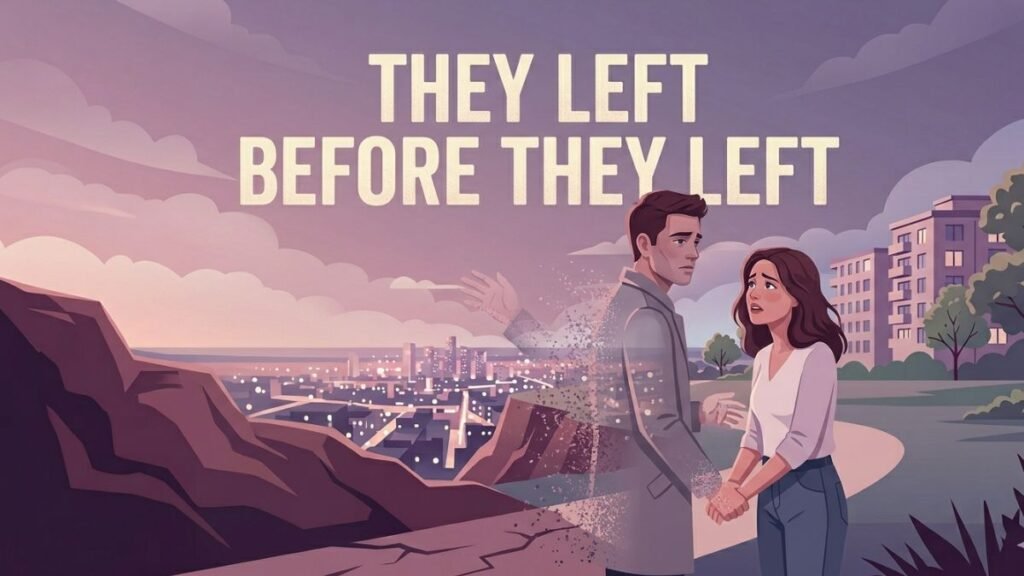
Think about the timeline:
You might have:
- Been blindsided by the ending
- Started grieving when it ended
- Been emotionally invested until the last moment
They might have:
- Been detaching for months before ending it
- Grieved the relationship while still in it
- Emotionally left long before physically leaving
- Already processed what you’re just beginning to process
So when it ended:
- You’re starting from zero
- They’re already months or years into their process
They haven’t moved on faster—they started earlier.
You feel stuck on someone who moved on because they had a head start on processing—they were detaching while you were still invested, so by the time it ended, they were already far along in a grief process you’re just beginning.
They’re Attachment-Avoidant
If they have avoidant attachment:
They process loss by:
- Distancing quickly
- Suppressing emotions
- Moving on rapidly (on the surface)
- Not staying with difficult feelings
- Replacing rather than processing
This looks like:
- Moving on easily
- Dating someone new quickly
- Seeming unaffected
- Being over it immediately
But it’s not actual healing—it’s avoidance.
They’re not processing—they’re escaping:
- They haven’t dealt with the loss
- They’ve just moved away from it
- It will likely catch up with them later
You feel stuck on someone who moved on because their avoidant attachment makes them appear over it—but they’re avoiding grief you’re actually doing, and avoidance looks like moving on even though it’s not healing.
They Might Be Performing “Fine”
What you see:
- Happy social media posts
- Dating someone new
- Living their best life
- Completely over it
What might be true:
- They’re performing for external validation
- They’re distracting themselves from pain
- The new relationship is a rebound masking hurt
- They’re showing only the surface
You’re comparing:
- Your internal pain (which you know completely)
- To their external performance (which might be fake)
You feel stuck on someone who moved on because you’re comparing your private pain to their public performance—and performances always look better than the messy reality you’re living internally.
You’re Anxiously Attached
If you have anxious attachment:
You process loss by:
- Holding on longer
- Feeling the pain deeply
- Needing more time
- Processing thoroughly
- Struggling to detach
This means:
- Slower healing timeline
- Deeper emotional processing
- More difficulty letting go
- Longer grief period
This isn’t wrong—it’s just different.
You feel stuck on someone who moved on because your anxious attachment makes letting go harder and slower—and comparing your attachment style’s timeline to their avoidant one creates the painful gap you’re experiencing.
You’re Doing the Actual Grief Work
Moving on “quickly” often means:
- Avoiding pain
- Suppressing emotions
- Replacing the person
- Not actually processing
Moving on “slowly” often means:
- Feeling the pain fully
- Processing the loss
- Grieving thoroughly
- Actually healing
Your slowness might be depth:
- You’re doing the work they’re avoiding
- You’re processing what they’re suppressing
- You’re healing while they’re escaping
You feel stuck on someone who moved on because you’re doing deep grief work while they’re doing surface-level avoidance—and depth takes longer than avoidance, making you feel “stuck” when you’re actually healing more completely.
They Meant More to You Than You Meant to Them
This is the painful truth you might need to face:
If:
- They were more invested in leaving than staying
- They checked out long before the end
- You loved them more than they loved you
- They were never as attached as you were
Then:
- Of course they moved on faster
- Of course they’re less affected
- Of course they let go easier
- It hurt them less because they cared less
This isn’t about your worth—it’s about mismatched investment.
You feel stuck on someone who moved on because they meant more to you than you meant to them—and losing someone you deeply loved will always hurt more than being the person who fell out of love.
You’re Still Hoping
Part of why you’re stuck:
You’re hoping:
- They’ll realize what they lost
- They’ll come back
- They’ll see their new relationship doesn’t compare
- They’ll miss you
As long as you hope:
- You can’t fully let go
- You stay emotionally attached
- You remain stuck
They’re not hoping—they’ve accepted it’s over.
You feel stuck on someone who moved on because you’re still holding hope while they’ve released it—and hope keeps you tethered while acceptance allows them to be free.
You’re Focused on Them, Not Yourself
Your energy is going to:
- Monitoring their life
- Tracking their healing
- Comparing their progress to yours
- Analyzing their new relationship
- Wondering about their feelings
Their energy is going to:
- Their own life
- Moving forward
- New experiences
- Not you
Energy on them keeps you stuck. Energy on yourself creates movement.
You feel stuck on someone who moved on because you’re focused on their healing instead of your own—and what you focus on is where your energy goes, keeping you attached to them instead of invested in yourself.
Sis, if you’re exhausted from being stuck while they moved on—if you’re ready to stop comparing and start healing—you need support.
💜 Your Healing Doesn’t Depend on Theirs
I know how unfair it feels that they moved on while you’re stuck. How their happiness highlights your pain. How watching them be fine makes you feel worse. How you wonder what’s wrong with you that you can’t do what they did.
Nothing is wrong with you. You’re just different people with different timelines.
She’s Already Hers Sisterhood is a community where women are learning that their healing journey is separate from their ex’s, that slower doesn’t mean wrong, and that comparing healing speeds only delays healing.
Inside the Sisterhood, you’ll find:
💜 Women who watched exes move on—now focusing on their own healing
💜 Tools to stop comparing—how to focus on your journey, not theirs
💜 An 8-season transformational guide that honors your unique healing timeline
💜 Support when you need it—women who understand the pain of asymmetrical healing
Their moving on doesn’t mean you’re failing. You’re just on different paths.
Your first month is just $1. Stop comparing, start healing, and find your own timeline. See if it’s aligned with where you are.
You’ll get there too, sis. At your own pace.
Why This Pattern Is Hurting You
You’re making their healing about your worth. Their speed doesn’t measure your value.
You’re staying attached through comparison. Watching them keeps you connected.
You’re delaying your own healing. Energy on them is energy not on you.
You’re reinforcing unworthiness. Their moving on makes you feel less than.
You can’t be present. You’re too focused on their life to live yours.
You’re suffering twice. Once from the breakup, again from watching them be fine.
You’re giving them power. Their timeline controls your emotions.
You’re creating false narratives. You’re making their speed mean things it doesn’t mean.
What You Need to Do
Step 1: Stop Watching Them
The first and most important step:
Stop:
- Checking their social media
- Asking mutual friends about them
- Monitoring their life
- Tracking their new relationship
Block, mute, unfollow—whatever it takes.
You cannot heal while watching them.
Step 2: Accept That Timelines Are Different
Their timeline ≠ your timeline.
Say to yourself:
- “They’re on their path, I’m on mine”
- “Their speed doesn’t measure my worth”
- “Healing isn’t a race”
- “I’m allowed to take the time I need”
Stop judging your timeline by theirs.
Step 3: Challenge What Their Moving On Means
You’re making it mean things it doesn’t mean:
Challenge:
- “They moved on fast = I didn’t matter” → They might be avoiding, not healing
- “They’re happy = I should be too” → Their performance doesn’t dictate my process
- “They’re over it = something’s wrong with me” → We’re different people with different styles
Their moving on is about them, not you.
Step 4: Redirect Focus to Yourself
Every time you think about their healing:
Redirect:
- What do I need today?
- What would help me heal?
- What can I do for myself?
- What’s one step forward for me?
Shift energy from them to you.
Step 5: Release the Hope They’ll Come Back
Part of staying stuck is hoping:
- They’ll realize their mistake
- Their new relationship will fail
- They’ll come back
Let go of that hope:
- They’re likely not coming back
- Even if they did, they’re the same person
- You need to heal regardless
Step 6: Do Your Own Grief Work
Focus on your process:
- Feel your feelings fully
- Process the loss deeply
- Grieve at your own pace
- Don’t rush to match their speed
Deep healing takes time. That’s okay.
Step 7: Build Your Own Life
Stop waiting to heal to live.
Start:
- Creating new experiences
- Building new connections
- Trying new things
- Investing in yourself
Living helps healing more than waiting to heal helps living.
Step 8: Get Professional Support
If:
- You can’t stop monitoring them
- Comparison is creating severe distress
- You’re stuck for a very long time
Consider therapy focused on:
- Attachment work
- Letting go
- Self-focus
- Building independent identity
Sometimes asymmetrical healing needs professional help to navigate.
What You Need to Understand
Moving On Fast Doesn’t Mean Healing Well
Fast often means:
- Avoidance
- Suppression
- Replacement
- Surface-level only
Slow often means:
- Deep processing
- Actual grieving
- Real healing
- Thorough work
Your slow might be better than their fast.
They Might Not Be as Fine as They Look
Remember:
- You’re seeing curated highlights
- They might be struggling privately
- New relationships often mask pain
- Social media is performance, not reality
Don’t believe everything you see.
Your Worth Isn’t Determined by Their Speed
Their moving on doesn’t mean:
- You didn’t matter
- You’re unlovable
- You’re failing
- Something’s wrong with you
It means:
- You’re different people
- You process differently
- Your timelines don’t match
That’s all.
You’ll Get There
Their being ahead doesn’t mean:
- You won’t heal
- You’re permanently stuck
- You can’t move forward
You will heal. Just at your own pace.
Trust your timeline.
What You Deserve
You deserve to heal at your own pace without comparison.
You deserve to stop measuring your progress by their timeline.
You deserve freedom from watching their life.
You deserve your own journey without their journey controlling it.
Stop comparing. Start healing.
The Bottom Line
Sis, you feel stuck on someone who moved on because:
- They detached long before the ending
- They’re attachment-avoidant (avoiding, not healing)
- They might be performing “fine”
- You’re anxiously attached (deeper processing)
- You’re doing actual grief work (takes longer)
- They meant more to you than you meant to them
- You’re still hoping
- You’re focused on them, not yourself
Their timeline isn’t yours. Stop comparing. Focus on yourself.
Stop watching them. Accept different timelines. Redirect to yourself. Do your own work.
Choose yourself, sis. Your healing doesn’t depend on theirs.
FAQ
Q: What if watching them is the only way I feel connected to them?
That’s exactly the problem. You’re maintaining connection through observation when you need to release connection to heal. The feeling of connection through watching is preventing actual healing. Let go of the connection.
Q: How do I stop comparing when I naturally see their progress?
Block/unfollow/mute completely. If you can’t avoid seeing (mutual friends, etc.), practice immediate redirection: “Not my business. Focus on me.” Every time. Eventually the habit breaks.
Q: What if they moved on so fast it proves I didn’t matter?
Fast moving on often proves nothing about you and everything about their avoidance style, detachment timeline, or rebound pattern. Don’t make their coping mechanism about your worth.
Q: How long is normal to still be stuck while they’ve moved on?
There’s no “normal.” Some take months, some take years. Depends on relationship length, attachment depth, your processing style. Stop judging by their timeline. Focus on progress, not speed.
Q: What if I never move on as fully as they have?
You will, but perhaps differently. Your healing might look different than theirs. That doesn’t make it less complete. Full healing doesn’t mean you forget them—it means they no longer control your present.