
Sis, I need to talk to you about why I say yes when I want to say no and the word you can’t seem to say.
Someone asks you for something.
Everything in you screams NO:
- You don’t want to
- You don’t have time
- You don’t have energy
- You don’t have capacity
- Every fiber of your being wants to decline
And you hear yourself say yes when you want to say no.
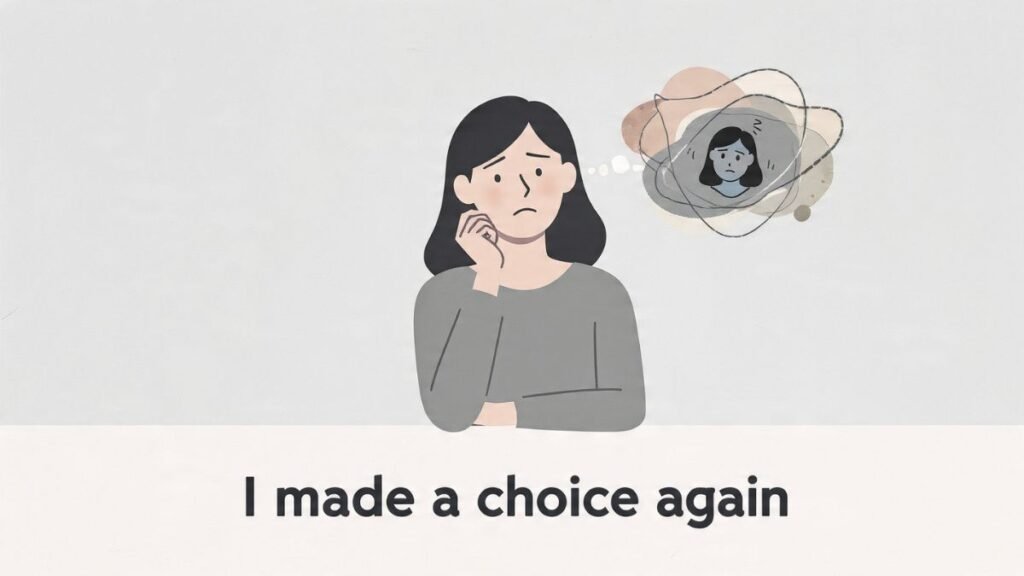
Not because you changed your mind. Not because you want to. But because NO won’t come out of your mouth.
So you say yes:
- To projects you don’t want to take on
- To invitations you don’t want to accept
- To favors you can’t afford to give
- To commitments you’ll regret
- To things that will drain you, stress you, overwhelm you
And the moment yes leaves your mouth, you regret it.
You know you should have said no. You wanted to say no. You meant to say no.
But somehow, yes is what came out. Again.
So your life becomes filled with things you never wanted to do, commitments you never wanted to make, obligations you never wanted to accept—all because you can’t say the word NO.
And you’re drowning in yeses you never meant to give.
I see how frustrating this is. How you keep saying yes when you desperately want to say no. How you’re angry at yourself for not having the boundary you need. How you don’t understand why such a simple word is so impossible to say.
And I see you wondering: “Why can’t I say no? Why does yes come out automatically? What’s wrong with me? Will I ever be able to honor my actual preferences?”
Nothing is wrong with you, sis. You were trained to say yes. You learned that no isn’t safe, acceptable, or allowed. And now your nervous system, your conditioning, and your fear override your actual preference. But you can unlearn this. You can reclaim the word no.
Let me help you understand why you say yes when you want to say no—and how to finally say what you mean.
What’s Really Happening: Why I Say Yes When I Want to Say No
Let me be direct with you: Saying yes when you mean no isn’t about being indecisive or weak. It’s a conditioned response—usually rooted in fear, conditioning, or survival. Your automatic yes is protecting you from something you learned was dangerous. And until you understand what that is, no will remain inaccessible.
But you can change this. Starting now.
Here’s what’s really going on:
You Were Taught No Isn’t Allowed
Think about what you learned growing up:
Maybe:
- Saying no to authority led to punishment
- No was met with anger or guilt trips
- You were expected to comply, not refuse
- “No” was disrespectful, disobedient, difficult
- Good girls/people don’t say no
You learned: No = bad. Yes = good. Compliance = safety and approval.
Now as an adult:
- No feels forbidden
- Yes feels automatic and safe
- You say yes before considering if you want to
You say yes when you want to say no because you were trained that no isn’t allowed—and that training runs automatically, overriding your actual preference.
Saying No Triggers Unbearable Guilt (supported by research on people pleasing)
When you consider saying no:
Guilt floods in:
- “I’m being selfish”
- “I’m letting them down”
- “I should help”
- “What kind of person refuses?”
The guilt is so intense that:
- Yes feels like the only way to avoid it
- You say yes to escape the guilt
- The immediate relief of yes outweighs the long-term cost
You say yes when you want to say no because the guilt you feel when you say no is more unbearable than the cost of yes—so you choose yes to avoid the guilt.
You’re Afraid of Their Reaction
If you say no, you fear:
- They’ll be angry
- They’ll be disappointed
- They’ll guilt-trip you
- They’ll reject you
- They’ll think less of you
So you say yes to avoid:
- Their negative emotions
- Conflict
- Rejection
- Disapproval
You say yes when you want to say no because you’re afraid of their reaction to no—and yes prevents the reaction you fear.
You Don’t Believe Your Preferences Matter
In your hierarchy:
- Their wants > your wants
- Their needs > your needs
- Their preferences > your preferences
So when they ask:
- Their desire matters
- Your desire not to doesn’t matter
- Yes is the obvious answer
You say yes when you want to say no because you don’t believe your preference deserves consideration—so their ask automatically overrides your want to decline.
No Doesn’t Feel Like an Option
When someone asks:
Your brain doesn’t process it as:
- “Do I want to do this? Yes or no?”
Your brain processes it as:
- “How do I say yes to this?”
No isn’t even considered:
- It doesn’t feel available
- It doesn’t feel like a choice
- It’s not in your menu of options
You say yes when you want to say no because your brain has been trained that no isn’t an option—so it doesn’t even consider decline as a possibility.
You’re Afraid of Being Seen as Selfish or Difficult
In your mind:
- Saying no = selfish
- Having boundaries = being difficult
- Declining = being a bad person
- Yes = being generous and good
So you say yes to:
- Prove you’re not selfish
- Show you’re accommodating
- Demonstrate you’re a good person
You say yes when you want to say no because you believe no makes you selfish or difficult—and you need to prove you’re neither through constant yes-saying.
Your Worth Is Tied to Being Helpful
Somewhere you learned:
- My worth = being useful
- I’m valuable when I help
- Love is earned through service
- I matter when I say yes
So saying yes:
- Proves your worth
- Secures love and approval
- Makes you valuable
Saying no:
- Threatens your worth
- Risks losing love
- Makes you seem useless
You say yes when you want to say no because you believe your worth depends on being helpful—and no threatens the worth you’re trying to maintain.
Yes Is Your Default Survival Strategy
If you grew up in environments where:
- Compliance kept you safe
- Resistance was dangerous
- Yes prevented harm
- No led to negative consequences
Your nervous system learned:
- Yes = survival
- No = danger
Now, even when you’re safe:
- Yes feels like the safe choice
- No triggers fear response
- Your body says yes before your mind can consider
You say yes when you want to say no because yes became a survival strategy—and your nervous system automatically chooses it even when you’re no longer in danger.
Sis, if you’re exhausted from saying yes when you mean no—if you’re ready to reclaim your boundaries—you need support.
💜 You’re Allowed to Say No
I know how automatic yes is. How it comes out before you can think. How you regret it immediately but can’t seem to stop. How you’re drowning in commitments you never wanted to make because no won’t come out of your mouth.
You’re allowed to say no. It’s not forbidden. It’s not selfish. It’s a boundary.
She’s Already Hers Sisterhood is a community where women are learning to say no without guilt, to honor their actual preferences, and to understand that declining isn’t selfish—it’s self-preservation.
Inside the Sisterhood, you’ll find:
💜 Women who’ve said yes their whole lives—now learning to say no
💜 Tools to practice saying no—scripts, strategies, and support for declining
💜 An 8-season transformational guide that addresses why no feels forbidden and how to reclaim it
💜 Support when you need it—women who understand the automatic yes pattern and are breaking it
No is a complete sentence. You’re allowed to use it.
Your first month is just $1. Learn to say no, honor your preferences, and find women who are reclaiming their boundaries. See if it’s aligned with where you are.
You’re allowed to say no, sis. Start practicing.
Why This Pattern Is Hurting You
You’re overcommitted and overwhelmed and falling into toxic relationship patterns without realizing it. Constant yes-saying creates unbearable schedules.
You’re resentful. Deep down, you resent every yes you didn’t want to give.
You can’t honor your needs. If you always say yes to others, there’s no space for yourself.
You’re living someone else’s life. Your life is filled with others’ priorities, not yours.
You’re teaching people you have no limits. Endless yes trains others that you’ll always accommodate.
You can’t be authentic. You’re constantly doing things you don’t want to do.
You’re exhausted. Saying yes to everything is unsustainable.
You’ve lost yourself. You don’t even know what you want anymore because you never honor it.
What You Need to Do When You Can’t Say No
Step 1: Pause Before Responding
When someone asks you for something:
Don’t answer immediately.
Say:
- “Let me check my schedule and get back to you”
- “I need to think about that”
- “Can I let you know tomorrow?”
Create space between the ask and your response.
This breaks the automatic yes.
Step 2: Check In With Yourself
During the pause:
Ask yourself:
- “Do I actually want to do this?”
- “Do I have capacity for this?”
- “Am I saying yes out of genuine desire or obligation/guilt/fear?”
Honor your actual preference, not the automatic response.
Step 3: Practice Saying No in Low-Stakes Situations
Start small:
Say no to:
- “Would you like fries with that?” → “No, thank you”
- “Can I add you to this email list?” → “No”
- Small favors from people who won’t punish you
Build the muscle of saying no where the stakes are low.
Step 4: Use Scripts
If no won’t come out, use prepared phrases:
- “I can’t take that on right now”
- “That doesn’t work for me”
- “I’m not available”
- “No, but thank you for thinking of me”
- Just “No” (it’s a complete sentence)
Scripts make it easier when spontaneous no feels impossible.
Step 5: Sit With the Guilt
When you say no and guilt comes:
Don’t immediately fix it by changing your no to yes.
Instead:
- Sit with the discomfort
- Notice guilt is a feeling, not a fact
- Remind yourself: “Guilt doesn’t mean I did something wrong”
- Let the guilt exist without acting on it
The guilt will lessen with practice.
Step 6: Challenge Your Beliefs About No
When you believe no is selfish:
Counter with:
- “Having boundaries isn’t selfish—it’s healthy”
- “Saying no to them is saying yes to myself”
- “I’m allowed to have preferences”
- “My needs matter too”
Question the belief that no is bad.
Step 7: Notice Who Respects Your No
When you do say no:
Pay attention to reactions:
- Who respects it gracefully?
- Who guilt-trips you?
- Who punishes you?
- Who accepts it without issue?
Healthy people respect no. Unhealthy people punish it.
This tells you who deserves your yes.
Step 8: Get Professional Help
If you:
- Literally cannot say no (it won’t come out)
- Experience panic when considering no
- Have yes-saying rooted in trauma
Consider therapy focused on:
- Boundary development
- Healing people-pleasing
- Processing trauma around compliance
- Building assertiveness skills
Sometimes the pattern needs professional help to break.
What You Need to Understand
No Is Not Selfish
Saying no is:
- Self-care, not selfishness
- Honoring your limits
- Respecting your capacity
- Being honest
You’re allowed to decline without being a bad person.
You Don’t Need a Reason
“No” is a complete sentence.
You don’t need to:
- Justify it
- Explain it
- Prove you have a good enough reason
- Convince them it’s valid
No is enough.
Their Disappointment Isn’t Your Responsibility
If they’re disappointed by your no:
- That’s their feeling to manage
- You’re not responsible for their emotions
- Their disappointment doesn’t mean you did something wrong
You can care about their feelings without being responsible for them.
Saying Yes When You Mean No Isn’t Kind
Insincere yes:
- Creates resentment
- Leads to poor follow-through
- Isn’t authentic
- Often disappoints them later anyway
An honest no is kinder than a resentful yes.
What You Deserve
You deserve to say no without guilt.
You deserve to honor your actual preferences.
You deserve boundaries that protect your capacity.
You deserve a life filled with yeses you actually mean.
No is allowed. Practice saying it.
The Bottom Line: Stop Saying Yes When You Mean No
Sis, you say yes when you want to say no because:
- You were taught no isn’t allowed
- Saying no triggers unbearable guilt
- You’re afraid of their reaction
- You don’t believe your preferences matter
- No doesn’t feel like an option
- You’re afraid of being seen as selfish
- Your worth is tied to being helpful
- Yes is your default survival strategy
Yes when you mean no is self-abandonment. You’re allowed to decline.
Pause before responding. Check in with yourself. Practice no. Sit with guilt.
Choose yourself, sis. Say no when you mean no.
FAQ
Q: What if saying no really does disappoint or hurt them?
It might. But disappointing them with honesty is better than disappointing yourself with compliance. Their disappointment is temporary and manageable. Your resentment from constant yes-saying is corrosive.
Q: How do I say no to my boss or people with power over me?
You can set boundaries even with authority figures: “I don’t have capacity for that right now. Can we discuss priorities?” or “I can do X or Y, but not both.” It’s harder but still possible.
Q: What if I’ve already said yes but realize I meant no?
You can change your answer: “I need to revise my earlier yes. I realized I don’t have capacity for this after all.” It’s uncomfortable but better than following through on a yes you can’t sustain.
Q: How long until saying no feels natural?
Varies by person—weeks to months of consistent practice. The first nos are the hardest. Each one gets slightly easier. Progress isn’t linear but improvement is real with practice.
Q: What if no one asks me for anything anymore because I keep saying no?
If people stop asking because you have boundaries, they were only around for what you could give them. Healthy people respect boundaries and still want relationship. Boundary-respecters will stay; boundary-violators will leave. Let them.