
Sis, I need to talk to you about why you feel anxious when someone is upset with me and how it controls your emotions.
Someone might be upset with you. Maybe. Possibly. You’re not even sure.
But the mere possibility sends you into a spiral because you feel anxious when someone is upset with you:
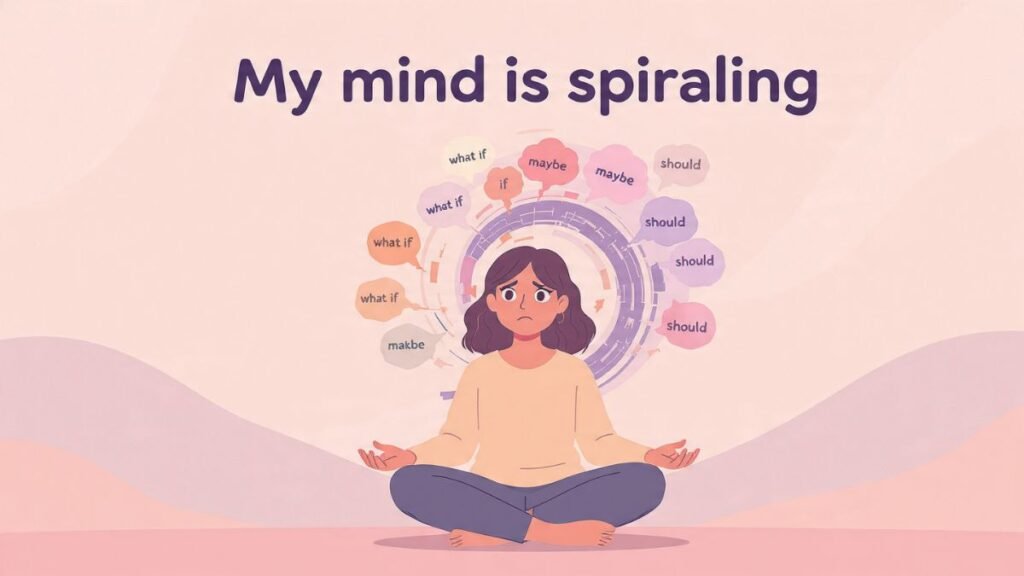
- Replaying every interaction
- Analyzing every word you said
- Searching for what you might have done wrong
- Obsessing over their potential disappointment
- Imagining worst-case scenarios
- Panicking about their displeasure
You can’t focus. You can’t relax. You can’t think about anything else.
The anxiety consumes you:
- You check your phone obsessively for their response
- You overanalyze their tone in messages
- You read negativity into neutral interactions
- You assume the worst
- You prepare for rejection
- You catastrophize their potential upset
And sometimes—they’re not even upset. You created the entire crisis in your mind.
But even when they ARE upset, your anxiety is disproportionate:
- Their mild annoyance feels like devastation
- Their temporary frustration feels like permanent rejection
- Their momentary displeasure feels like the end of the relationship
So you live in constant fear of others’ potential upset. Walking on eggshells. Monitoring everyone’s emotions. Trying to prevent any possible displeasure. Accommodating, apologizing, explaining—anything to avoid the unbearable anxiety of someone being upset with you.
I see how exhausting this is. How you can’t tolerate even the possibility of someone’s displeasure. How others’ emotions control your entire emotional state. How you’ve made yourself responsible for keeping everyone happy—because their upset creates anxiety you can’t handle.
And I see you wondering: “Why does someone’s potential upset trigger such intense anxiety? Why can’t I tolerate people being upset with me? Is this normal? Will I ever be able to handle conflict without panic?”
Their upset isn’t actually dangerous, sis. But you’re experiencing it as a threat. The anxiety isn’t proportional to the actual risk—it’s rooted in old fears about what others’ displeasure means. And you can learn to tolerate their upset without it destroying you.
Let me help you understand why you feel anxious when someone might be upset with you—and how to finally calm the panic.
What’s Really Happening: Why You Feel Anxious When Someone Is Upset
Let me be direct with you: The anxiety you feel when someone might be upset isn’t about the present situation—it’s about old fears being triggered. You’re not responding to current reality. You’re responding to what upset once meant: danger, rejection, loss of love. And your nervous system is treating their potential displeasure as an existential threat.
But it’s not. And you can retrain your response.
Here’s what’s really going on:
You Learned Others’ Upset Means You’re in Danger
Think about what you learned early:
Maybe:
- Others’ anger led to scary consequences
- Upsetting caregivers meant withdrawal of love
- Displeasure resulted in punishment or rejection
- You were made responsible for others’ emotions
- Peace required keeping everyone happy
You learned: Others being upset = I’m in danger. I must prevent their upset to stay safe.
Now as an adult:
- Someone’s potential upset triggers that old fear
- Your nervous system activates threat response
- Anxiety floods your system
- You react as if you’re in danger (even when you’re not)
You feel anxious when someone might be upset with you because your nervous system learned that others’ displeasure equals danger—and it’s responding to that old programming, not current reality.
Your Worth Is Tied to Others’ Approval
Somewhere you absorbed:
- My worth = others’ approval
- I’m valuable when people are pleased with me
- I’m worthless when people are upset with me
- Disapproval threatens my value
So when someone might be upset:
- It threatens your worth
- You feel your value slipping away
- Anxiety spikes because your fundamental worth feels at risk
You feel anxious when someone might be upset with you because you believe their displeasure determines your worth—and the threat to your value creates panic.
You’re Afraid of Rejection or Abandonment
When someone is upset with you, you fear:
- They’ll reject you
- They’ll abandon you
- They’ll withdraw love
- They’ll leave you
- The relationship will end
The anxiety is about anticipated loss:
- Not just their temporary upset
- But permanent rejection
You feel anxious when someone might be upset with you because you catastrophize their upset into abandonment—and abandonment feels like existential threat.
You Can’t Distinguish Between Upset and Catastrophe
In your mind:
- Upset = catastrophe
- Mild annoyance = major conflict
- Temporary frustration = permanent damage
- Momentary displeasure = relationship ending
You can’t calibrate:
- The severity of their upset
- The actual consequences
- The likely outcome
Everything feels equally catastrophic.
You feel anxious when someone might be upset with you because you can’t distinguish between minor displeasure and relationship-ending conflict—so all upset triggers maximum anxiety.
You’re Responsible for Others’ Emotions
You believe:
- I’m responsible for how others feel
- Their upset is my fault
- I should prevent their negative emotions
- It’s my job to manage their emotional state
So when they’re upset:
- You’ve failed at your “job”
- You’re responsible for their pain
- You need to fix it immediately
The anxiety is about failed responsibility.
You feel anxious when someone might be upset with you because you believe you’re responsible for their emotional state—and their upset means you’ve failed at managing what you believe is your responsibility.
You Can’t Tolerate Conflict
Any conflict feels unbearable:
- You avoid it at all costs
- You can’t sit with it
- You need it resolved immediately
- Unresolved tension creates panic
So when someone might be upset:
- Conflict is possible
- That possibility is unbearable
- Anxiety spikes until it’s resolved
You feel anxious when someone might be upset with you because upset represents potential conflict—and you can’t tolerate conflict, so the mere possibility creates panic.
You Lack Confidence in Your Relationships
You don’t trust that:
- Relationships can survive conflict
- People will stay despite temporary upset
- Love is secure enough to handle displeasure
- You’re valued beyond momentary feelings
So every upset feels like it could end the relationship:
- You don’t trust the foundation
- You assume relationships are fragile
- You believe upset could be the breaking point
You feel anxious when someone might be upset with you because you don’t trust that the relationship can survive their displeasure—so their upset feels like the potential end.
You’re Hypervigilant to Others’ Emotions (supported by research on people pleasing)
You constantly monitor:
- Others’ moods
- Subtle shifts in tone
- Potential signs of displeasure
- Any indication of upset
You’re on high alert:
- Scanning for threat
- Reading into everything
- Assuming the worst
- Preparing for upset
This hypervigilance creates anxiety even when nothing is wrong.
You feel anxious when someone might be upset with you because you’re constantly scanning for signs of displeasure—and hypervigilance itself creates anxiety regardless of whether actual upset exists.
Sis, if you’re exhausted from constant anxiety about others’ potential upset—if you’re ready to tolerate displeasure without panic—you need support.
💜 Others’ Upset Isn’t Catastrophic
I know how overwhelming the anxiety is. How you can’t tolerate even the possibility of someone being upset. How you obsess, catastrophize, and panic at the slightest sign of displeasure. How you’ve made yourself responsible for everyone’s emotional state because their upset creates anxiety you can’t handle.
Their upset isn’t dangerous. Your anxiety is disproportionate to the actual threat.
She’s Already Hers Sisterhood is a community where women are learning that others’ upset is survivable, that they’re not responsible for everyone’s emotions, and that relationships can handle conflict without ending.
Inside the Sisterhood, you’ll find:
💜 Women who’ve panicked at others’ displeasure—now learning to tolerate upset without anxiety
💜 Tools to manage the anxiety—how to calm your nervous system when someone’s upset
💜 An 8-season transformational guide that addresses where the anxiety came from and how to heal it
💜 Support when you need it—women who understand the upset-anxiety connection and are breaking free
You can tolerate others being upset. The anxiety is learned—and can be unlearned.
Your first month is just $1. Learn to manage the anxiety, tolerate others’ upset, and find women who are no longer controlled by others’ emotions. See if it’s aligned with where you are.
Their upset isn’t catastrophic, sis. You can handle it.
Why You Feel Anxious When Someone Is Upset With You
You’re living in constant anxiety. Hypervigilance and fear of upset create chronic stress.
You can’t be authentic. You’re too busy managing others’ emotions to be yourself.
You’re exhausting yourself and falling into toxic relationship patterns without realizing it. Preventing everyone’s potential upset is impossible and draining.
You can’t have real relationships. Relationships without conflict aren’t real—they’re performances.
You’re giving others power. Their emotions control your entire emotional state.
You’re avoiding necessary conversations. Fear of upset prevents you from addressing real issues.
You can’t grow. Growth requires disappointing people sometimes—but your anxiety won’t allow it.
You’re miserable. Living in fear of others’ displeasure is no way to live.
What You Need to Do When Someone Is Upset With You
Step 1: Recognize the Anxiety Is Disproportionate
When anxiety spikes:
Ask yourself:
- “Is this person actually upset or am I assuming?”
- “If they are upset, is it actually catastrophic?”
- “What’s the worst realistic outcome?”
- “Am I responding to current reality or old fears?”
Name the disproportionate response.
Step 2: Challenge the Catastrophe
When you catastrophize their upset:
Counter with reality:
- “Their upset doesn’t mean they’ll leave”
- “Temporary displeasure isn’t permanent rejection”
- “Relationships can survive conflict”
- “I’ve survived others being upset before”
Question the catastrophe before accepting it as truth.
Step 3: Practice Tolerating Discomfort
When someone is upset:
Instead of immediately trying to fix it:
- Sit with the discomfort
- Notice you’re anxious but okay
- Breathe through it
- Don’t react from panic
Build tolerance gradually:
- Start with small upsets
- Practice not immediately resolving
- Notice you survive the discomfort
Step 4: Separate Their Emotions From Your Responsibility
When someone is upset:
Remind yourself:
- “Their emotions are theirs to manage”
- “I’m not responsible for their feelings”
- “I can care without taking responsibility”
- “Their upset doesn’t require my fixing”
You can be empathetic without being responsible.
Step 5: Stop Checking for Signs of Upset
When you’re tempted to:
- Check their messages repeatedly
- Overanalyze their tone
- Search for signs of displeasure
Recognize: “I’m hypervigilant. This is anxiety, not helpful. I’m going to redirect my attention.”
Stop feeding the anxiety with checking behaviors.
Step 6: Build Secure Relationships
Ask yourself:
- “Do my relationships survive conflict?”
- “Have people stayed despite being upset with me before?”
- “Is there evidence this relationship can handle displeasure?”
Build evidence that relationships survive upset.
Step 7: Set Boundaries on Your Anxiety Response
When anxiety spirals:
Give yourself limits:
- “I can think about this for 10 minutes, then I’m redirecting”
- “I’m not allowed to check my phone for 2 hours”
- “I’m going to do something else instead of obsessing”
Don’t let anxiety consume unlimited time and energy.
Step 8: Get Professional Help
If:
- Anxiety about others’ upset is constant and severe
- You can’t function when someone might be upset
- The pattern is rooted in trauma
Consider therapy focused on:
- Anxiety management
- Healing attachment wounds
- Building distress tolerance
- Challenging catastrophic thinking
Sometimes the anxiety needs professional help to manage.
What You Need to Understand
Their Upset Isn’t About Your Worth
Someone can be upset with you AND:
- You’re still worthy
- You’re still valuable
- You’re still lovable
- You’re still enough
Their temporary emotion doesn’t determine your permanent worth.
People Can Be Upset and Still Love You
Love doesn’t mean:
- Never being upset
- Never being disappointed
- Never having conflict
Love means:
- Staying despite temporary upset
- Working through conflict
- Caring even when annoyed
Their upset doesn’t negate their love.
You Can’t Control Others’ Emotions
You cannot:
- Prevent all upset
- Control their reactions
- Manage their emotional state
- Keep everyone happy always
Trying to control others’ emotions is impossible and exhausting.
The Anxiety Is Learned
Your anxiety response:
- Was learned (usually in childhood)
- Made sense in the past (when upset was dangerous)
- Doesn’t fit current reality (upset isn’t actually dangerous now)
- Can be unlearned with practice
You’re not broken—you’re responding to old programming.
What You Deserve
You deserve to not live in constant fear of others’ displeasure.
You deserve relationships where conflict doesn’t mean catastrophe.
You deserve to stop being responsible for everyone’s emotions.
You deserve peace instead of constant anxiety about potential upset.
Others being upset with you isn’t the end of the world.
The Bottom Line: Stop Anxiety About Others Being Upset
Sis, you feel anxious when someone might be upset with you because:
- You learned others’ upset means danger
- Your worth is tied to others’ approval
- You’re afraid of rejection or abandonment
- You can’t distinguish upset from catastrophe
- You believe you’re responsible for others’ emotions
- You can’t tolerate conflict
- You don’t trust relationships can survive upset
- You’re hypervigilant to others’ emotions
The anxiety is disproportionate. Their upset isn’t dangerous.
Challenge catastrophe. Tolerate discomfort. Separate their emotions from your responsibility.
Choose yourself, sis. You can handle people being upset.
FAQ
Q: What if their upset IS catastrophic and ends the relationship?
If a relationship ends because of one instance of upset—it wasn’t a secure relationship to begin with. Healthy relationships survive conflict. If they can’t handle being upset occasionally, that reveals the relationship’s fragility, not your failure.
Q: How do I stop the anxious thoughts when they spiral?
Notice them, name them (“anxious thoughts”), then redirect: “I’m not engaging with these thoughts right now.” Use distraction, grounding techniques, or physical activity. Don’t try to logic away anxiety—redirect attention instead.
Q: What if I genuinely did something wrong and they SHOULD be upset?
You can acknowledge wrongdoing, apologize, and make amends WITHOUT catastrophizing or drowning in anxiety. Taking responsibility doesn’t require panic. Handle it calmly, then move forward.
Q: How long until I can tolerate others’ upset without anxiety?
Varies by person and severity of pattern. Most see improvement within weeks of practice, significant shifts in months. Therapy can accelerate. The key is consistent practice tolerating small upsets before building to larger ones.
Q: What if avoiding their upset is just being considerate?
Being considerate is being thoughtful. Anxiously managing every interaction to prevent any possible upset is people-pleasing driven by fear. One is healthy, one is anxiety-driven. If you’re doing it from fear, it’s the latter.