
Sis, I need to talk to you about why you overextend yourself to avoid disappointing others and how you’re destroying yourself to keep others happy.
You’re already at capacity. Exhausted. Overwhelmed. Running on empty. You have nothing left to give.
But someone asks you for something, and you say yes because you overextend yourself to avoid disappointing others.
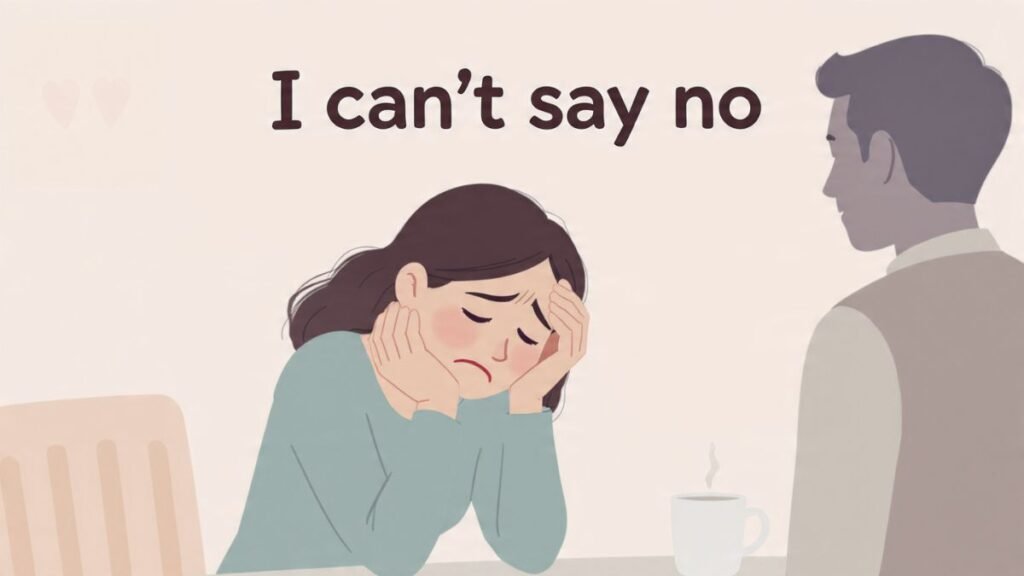
Not because you want to. Not because you can afford to. Because saying no might disappoint them.
And disappointing others feels unbearable.
So you:
- Take on projects you don’t have time for
- Help people when you desperately need help yourself
- Accommodate when you’re already stretched too thin
- Give when you have nothing left
- Sacrifice your needs, your time, your energy, your wellbeing—all to avoid the possibility of someone being disappointed
And the irony? You’re disappointing yourself constantly. But somehow, that feels more tolerable than disappointing others.
So you keep overextending:
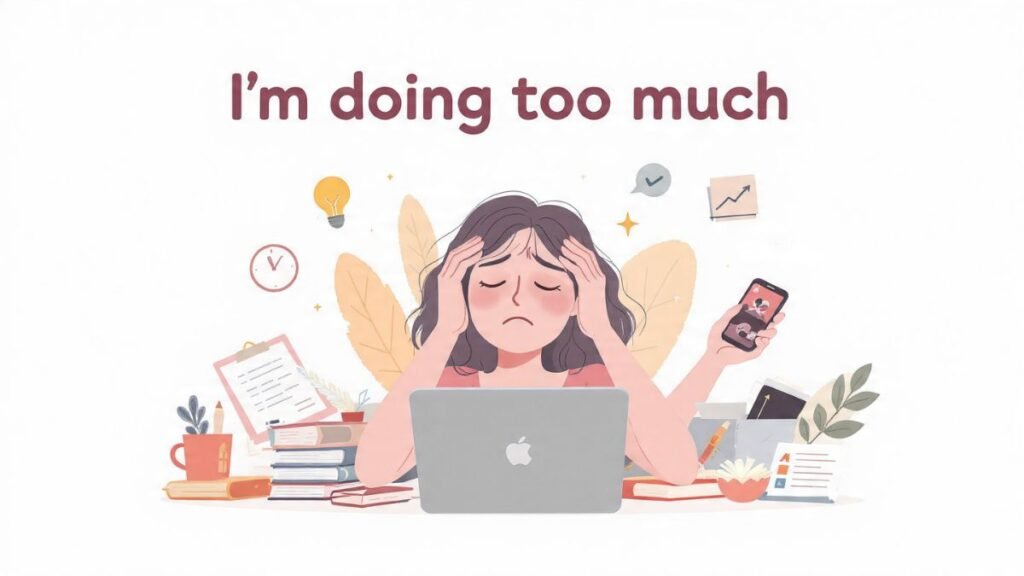
- Staying late at work when you’re exhausted
- Helping friends move when you’re overwhelmed
- Taking on extra responsibilities when you’re drowning
- Saying yes when everything in you is screaming no
And your life becomes about managing everyone else’s expectations and avoiding their disappointment—while you disappear under the weight of it all.
I see how depleted you are. How you can’t say no even when yes is killing you. How you’re sacrificing yourself at the altar of others’ satisfaction. How you’ve made their disappointment more important than your survival.
And I see you wondering: “Why can’t I say no? Why does disappointing others feel so terrible? Why do I keep overextending myself? Will I ever be able to honor my limits without guilt?”
You’re allowed to disappoint people, sis. Disappointing others isn’t a catastrophe—it’s a boundary. And your wellbeing matters more than their temporary dissatisfaction. You’re destroying yourself to avoid discomfort that’s actually survivable—for both of you.
Let me help you understand why you overextend yourself to avoid disappointing others—and how to finally honor your limits.
What’s Really Happening: Why You Overextend Yourself
Let me be direct with you: You’re not being generous or kind when you overextend yourself—you’re avoiding a feeling you can’t tolerate. And that avoidance is costing you everything. Disappointing others isn’t actually dangerous—but you’re treating it like it is.
And that misperception is destroying you.
Here’s what’s really going on:
You Learned Disappointing Others Isn’t Safe
Think about what you learned early:
Maybe:
- Disappointing caregivers led to anger or withdrawal
- Love felt conditional on meeting expectations
- Others’ disappointment meant punishment
- Saying no resulted in rejection or guilt trips
- Your worth depended on making others happy
You learned: Disappointing others = danger. Keeping others happy = safety and love.
Now as an adult:
- Potential disappointment triggers fear
- You’ll do anything to avoid it
- Overextending feels safer than disappointing
You overextend yourself to avoid disappointing others because you learned that disappointing people is dangerous—and your nervous system treats it as a threat to avoid at all costs.
You’re Trying to Earn Worth Through Service
Somewhere you absorbed:
- My worth = what I do for others
- I’m valuable when I’m useful
- Love must be earned through giving
- I’m only worthy when I’m meeting others’ needs
So when someone needs something:
- You see an opportunity to prove your worth
- Saying no feels like losing value
- Overextending feels like securing worth
You overextend yourself to avoid disappointing others because you believe your worth depends on meeting their needs—and disappointing them threatens your value.
Disappointing Others Triggers Unbearable Guilt
When you disappoint someone:
You feel:
- Crushing guilt
- Like you’re a bad person
- Responsible for their unhappiness
- Selfish and wrong
The guilt is so intense that:
- Overextending yourself feels better than feeling guilty
- You’ll sacrifice anything to avoid that feeling
- The anticipation of guilt controls your decisions
You overextend yourself to avoid disappointing others because the guilt you feel when you disappoint is so unbearable that self-sacrifice feels like the lesser pain.
You’re Afraid of Rejection
If you disappoint others, you fear:
- They’ll reject you
- They’ll withdraw love
- They’ll abandon you
- They’ll think less of you
- They won’t want you around
So you overextend to:
- Maintain their approval
- Keep their love
- Prevent abandonment
- Stay in their good graces
You overextend yourself to avoid disappointing others because you believe disappointing them will lead to rejection—and rejection feels like existential threat.
You’re Responsible for Others’ Emotions
You believe:
- I’m responsible for how others feel
- Their disappointment is my fault
- I should prevent their negative emotions
- It’s my job to keep everyone happy
So when they’re disappointed:
- You feel like you’ve failed
- You believe you caused their pain
- You should have prevented it
You overextend yourself to avoid disappointing others because you believe you’re responsible for their emotional state—and disappointing them feels like causing harm you’re obligated to prevent.
You Can’t Tolerate Others’ Negative Emotions Toward You
When someone is disappointed in you:
You experience their disappointment as:
- Unbearable discomfort
- Intense anxiety
- Emotional danger
You can’t sit with:
- Their dissatisfaction
- Their frustration
- Their displeasure with you
So you’ll do anything to avoid triggering those feelings.
You overextend yourself to avoid disappointing others because you can’t tolerate their negative emotions directed at you—so you sacrifice yourself to keep their feelings positive.
You Don’t Believe Your Needs Matter
In your hierarchy:
- Their needs > your needs
- Their disappointment > your exhaustion
- Their satisfaction > your wellbeing
So overextending makes sense:
- Their happiness matters more than your capacity
- Their disappointment matters more than your limits
- They matter more than you
You overextend yourself to avoid disappointing others because you’ve internalized that your needs don’t matter as much as theirs—so sacrificing yourself feels appropriate.
Saying No Feels Selfish
In your mind:
- Saying no = selfish
- Having limits = being difficult
- Prioritizing yourself = being a bad person
So you say yes:
- Even when you can’t
- Even when it hurts you
- Even when it’s unreasonable
Because yes = good person, no = selfish person.
You overextend yourself to avoid disappointing others because saying no feels morally wrong—like you’re being selfish—and overextending feels like being a good person.
Sis, if you’re exhausted from overextending yourself—if you’re ready to honor your limits without drowning in guilt—you need support.
💜 You’re Allowed to Disappoint People
I know how unbearable the thought of disappointing others feels. How you’ll sacrifice yourself completely to avoid it. How you can’t say no even when yes is destroying you. How you’ve made yourself responsible for everyone’s happiness except your own.
Disappointing others isn’t a catastrophe. It’s a boundary.
She’s Already Hers Sisterhood is a community where women are learning that disappointing others is survivable, that their needs matter as much as anyone else’s, and that saying no isn’t selfish—it’s self-preservation.
Inside the Sisterhood, you’ll find:
💜 Women who’ve overextended themselves to avoid disappointment—now learning to honor their limits
💜 Tools to tolerate disappointing others—how to say no without drowning in guilt
💜 An 8-season transformational guide that addresses why you can’t tolerate disappointing others and how to change that
💜 Support when you need it—women who understand the people-pleasing trap and are choosing themselves
You’re allowed to have limits. You’re allowed to say no. You’re allowed to disappoint people.
Your first month is just $1. Learn to stop overextending, honor your limits, and find women who are done sacrificing themselves to avoid disappointment. See if it’s aligned with where you are.
Your needs matter too, sis. Stop overextending.
Why This Pattern Is Hurting You
You’re completely depleted. Constant overextension leaves nothing for yourself.
You’re resentful. Deep down, you resent always sacrificing while others don’t.
You’re teaching people to take advantage. Endless yes-saying trains others that you have no limits.
You can’t have authentic relationships. Relationships built on you never disappointing aren’t real—they’re performances.
You’re abandoning yourself and falling into toxic relationship patterns without realizing it.
Every time you overextend to avoid disappointing others, you disappoint yourself.
You’re living in fear. Fear of disappointment controls your every decision.
You have no boundaries. If disappointing others isn’t allowed, you have no limits—and that’s unsustainable.
You’re heading for burnout. This pattern is a direct path to complete physical and emotional collapse.
What You Need to Do When You Overextend Yourself
Step 1: Recognize Disappointing Others Isn’t Dangerous
Challenge the belief:
Disappointing others doesn’t mean:
- They’ll abandon you
- You’re a bad person
- You’ve failed
- Something terrible will happen
It means:
- You had limits
- You prioritized your wellbeing
- You were honest
- You’re human
Disappointing others is uncomfortable—not dangerous.
Step 2: Practice Tolerating Disappointment
Start small:
Say no to something small:
- “I can’t help you move this weekend”
- “I can’t take on that extra project”
- “I can’t make that event”
Then sit with their potential disappointment:
- Notice it’s uncomfortable
- Notice you survive
- Notice the relationship usually survives
Build tolerance gradually.
Step 3: Separate Their Emotions From Your Responsibility
When someone is disappointed:
Remind yourself:
- “Their disappointment is their feeling to manage”
- “I’m not responsible for their emotional state”
- “I can care about their feelings without being responsible for them”
You can have empathy without taking responsibility.
Step 4: Challenge the Guilt
When guilt arises:
Ask:
- “Am I actually doing something wrong or just setting a boundary?”
- “Would I think someone else is bad for doing this?”
- “Is this guilt legitimate or learned programming?”
Most of the time, the guilt is learned, not legitimate.
Step 5: Prioritize Your Wellbeing
Before saying yes:
Ask yourself:
- “Do I have the capacity for this?”
- “Will this hurt me?”
- “Am I saying yes out of guilt or genuine desire?”
If you don’t have the capacity or it will hurt you, the answer is no.
Your well-being is non-negotiable.
Step 6: Let People Be Disappointed
When you say no and someone is disappointed:
Let them be disappointed:
- Don’t over-explain
- Don’t apologize excessively
- Don’t try to fix their feelings
- Allow them to experience their disappointment
Their disappointment is survivable—for both of you.
Step 7: Build a Support System
Surround yourself with people who:
- Respect your no
- Don’t guilt-trip you
- Understand limits
- Support your boundaries
If everyone in your life requires overextension, you need different people.
Step 8: Get Professional Help
If you:
- Can’t say no without extreme guilt
- Overextend yourself compulsively
- Have people-pleasing rooted in trauma
Consider therapy focused on:
- Boundary development
- Guilt management
- Healing people-pleasing patterns
- Building self-worth independent of others’ approval
Sometimes the pattern needs professional help to break.
What You Need to Understand
Disappointing Others Is Inevitable (supported by research on people pleasing)
You cannot:
- Please everyone
- Meet everyone’s needs
- Never disappoint anyone
Disappointment is part of relationships:
- You’ll disappoint people sometimes
- They’ll survive
- The relationship will usually survive
Trying to never disappoint is an impossible goal.
Your Needs Matter As Much As Theirs
You are not:
- Less important than others
- Obligated to sacrifice yourself
- Required to meet everyone’s needs
Your needs are:
- Just as legitimate as theirs
- Worthy of prioritization
- Non-negotiable
You matter as much as the people you’re trying not to disappoint.
Healthy People Respect Boundaries
Healthy people:
- Accept no gracefully
- Don’t guilt-trip
- Respect your limits
- Understand you’re not obligated to overextend
Unhealthy people:
- Punish your no
- Make you feel guilty
- Don’t respect limits
- Expect endless sacrifice
If someone can’t handle you having limits—that’s their problem, not yours.
You Can Say No Without Being Selfish
Saying no is:
- Self-care, not selfishness
- Healthy boundaries, not being difficult
- Self-preservation, not being mean
You’re allowed to have limits without being a bad person.
What You Deserve
You deserve to honor your limits without guilt.
You deserve relationships where disappointing others occasionally is acceptable.
You deserve to prioritize your wellbeing without being called selfish.
You deserve to say no without overextending yourself to avoid disappointment.
Disappointing others is allowed. Your limits are valid.
The Bottom Line: Stop Overextending Yourself
Sis, you overextend yourself to avoid disappointing others because:
- You learned disappointing others isn’t safe
- You’re trying to earn worth through service
- Disappointing others triggers unbearable guilt
- You’re afraid of rejection
- You believe you’re responsible for others’ emotions
- You can’t tolerate others’ negative emotions toward you
- You don’t believe your needs matter
- Saying no feels selfish
You’re allowed to disappoint people. It’s not dangerous—it’s human.
Honor your limits. Tolerate disappointment. Say no. Let people be disappointed.
Choose yourself, sis. You’re allowed to have limits.
FAQ
Q: What if disappointing them really does damage the relationship?
If the relationship can’t survive you having limits, it wasn’t a healthy relationship—it was one where you had to sacrifice yourself constantly. Relationships that require endless overextension aren’t worth keeping.
Q: How do I handle the guilt when I disappoint someone?
Sit with it. Remind yourself that guilt doesn’t mean you did something wrong—it’s a learned feeling. The guilt will lessen with practice as you prove to yourself that disappointing others is survivable.
Q: What if they really need help and I’m the only one who can provide it?
You’re rarely the ONLY person. And even if you are, you’re still allowed to say no if you don’t have capacity. You’re not obligated to destroy yourself to help others—even in emergencies.
Q: How do I say no without feeling like a bad person?
“No” is a complete sentence. You can say it kindly: “I can’t help with this, but I hope you find support.” You don’t owe lengthy explanations. And saying no doesn’t make you bad—it makes you human with limits.
Q: What if I genuinely want to help but don’t have capacity?
Then you still say no. Wanting to help doesn’t create capacity you don’t have. You can want to help AND recognize you can’t—both can be true. Prioritize your capacity over your desire to help.