
Sis, I need to talk to you about how to prioritize yourself without guilt when you’re running on empty.
You’re exhausted. Depleted. Running on fumes. You have nothing left to give.
And yet—you’re still putting yourself last.
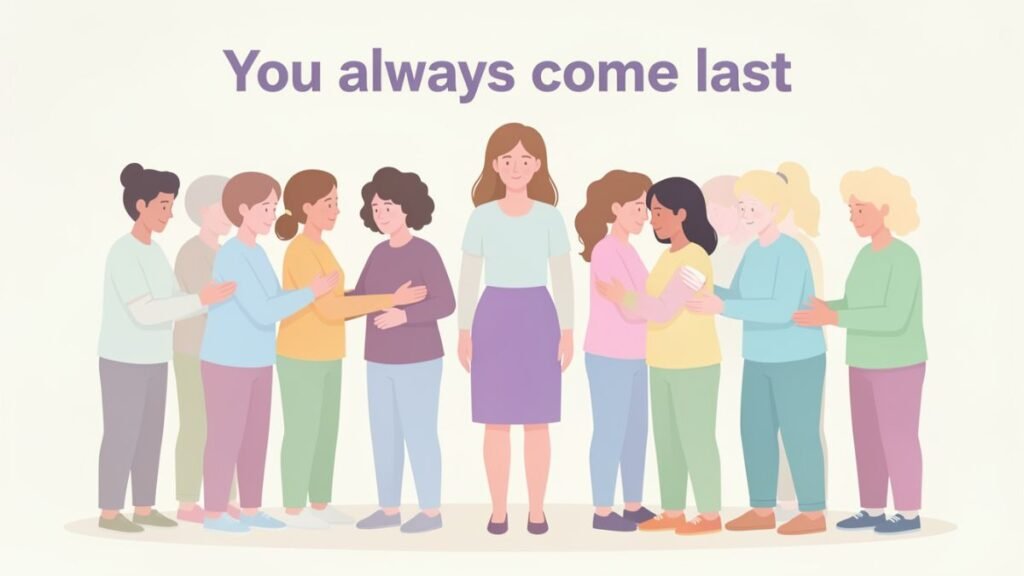
Everyone else’s needs come first:
Your partner’s comfort before your rest
Your kids’ wants before your needs
Your boss’s demands before your boundaries
Your friends’ requests before your energy
Strangers’ expectations before your wellbeing
You say yes when you’re already at capacity. You give when you have nothing left. You accommodate when you desperately need care yourself.
And when someone asks how you are—you say “fine” while you’re falling apart inside.
You’ve organized your entire life around everyone else—and there’s no space left for you.
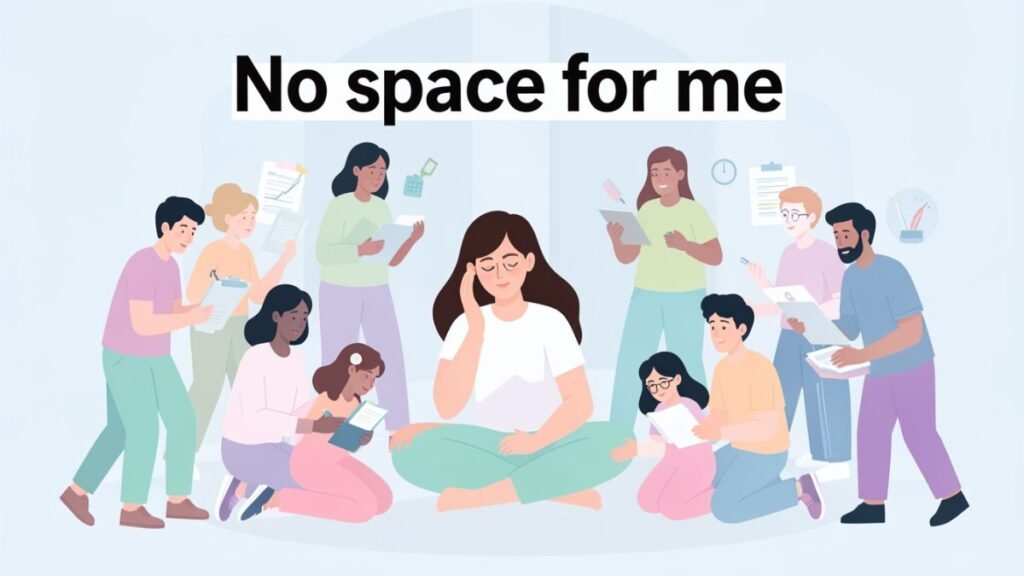
The irony? You’d never let someone you love push themselves this hard. You’d tell them to rest, to say no, to take care of themselves. But somehow, those rules don’t apply to you.
I see how depleted you are. How you’re surviving, not thriving. How you’ve normalized sacrificing yourself. How you genuinely believe everyone else’s needs matter more than yours.
And I see you wondering: “why am I so hard on myself? Why does everyone else come first? Is it selfish to put my needs before others? Will people still love me if I stop putting myself last?”
It’s not selfish to have needs, sis. It’s human. You’ve been taught that your worth comes from what you give—but you’re worthy even when you have nothing left to offer.
Let me help you understand overcoming self neglect and self criticism—and how to finally prioritize your own wellbeing.
What’s Really Happening: The Self-Abandonment Pattern
Let me be direct with you: Putting yourself last isn’t selflessness—it’s self neglect vs self care. And it’s destroying you.
You learned this. And what was learned can be unlearned.
You Learned Your Needs Don’t Matter
Think about the messages you received growing up:
You learned: My needs are a burden. Good people don’t have needs.
Now as an adult:
You automatically put everyone else first
Your Worth Is Tied to What You Give
Your value = how much you give
Saying No Feels Impossible
You struggle to say no because:
No = disappointing people
You’re Afraid of Being Seen as Selfish
Prioritizing yourself = selfish
You’re Running From Your Own Needs
Focusing on others helps you avoid your own needs
You Believe Rest Must Be Earned
You think you need to earn rest
People Are Used to You Being Last
People expect you to always say yes
You Don’t Know Who You Are Without the Role
Your identity is built around giving
Why This Pattern Is Hurting You
You’re physically depleted.
You’re emotionally empty.
You’re stuck in stop being hard on yourself and burnout cycle
You’re heading toward burnout.
What You Need to Do
Step 1: Acknowledge You’re Depleted
“I’m exhausted. I’m depleted.”
Step 2: Recognize Your Needs Are Legitimate
Your needs are valid
Step 3: Start Small With Self-Prioritization
Start small
Step 4: Practice Saying No
Say: “That doesn’t work for me”
Step 5: Challenge the Guilt
Ask yourself questions
Step 6: Identify Your Non-Negotiable Needs
Protect your core needs
Step 7: Let People Be Disappointed
Let them feel it
Step 8: Build an Identity Beyond Giving
Find yourself beyond helping others
What You Need to Understand
Self-Care Isn’t Selfish
Self-care is necessary
You Teach People How to Treat You
People learn from your behavior
Rest Doesn’t Need to Be Earned
Rest is your right
The Right People Will Support This
Healthy people will support you
What You Deserve
You deserve to how to prioritize yourself without guilt
You deserve rest
You deserve care
The Bottom Line
You put yourself last because:
Your worth is tied to giving
You fear being selfish
But real change comes from self care over self neglect mindset
FAQ
Q: What if people really need me?
Balance helping others and yourself
Q: How do I stop feeling guilty?
Practice stop self criticism permanently
Q: What if others don’t support me?
That shows unhealthy patterns
Q: How do I know my needs?
Start noticing your feelings
Q: What about my kids?
You’re teaching them self-care