
Sis, I need to talk to you about the thing that should make you feel most secure—but instead fills you with doubt.
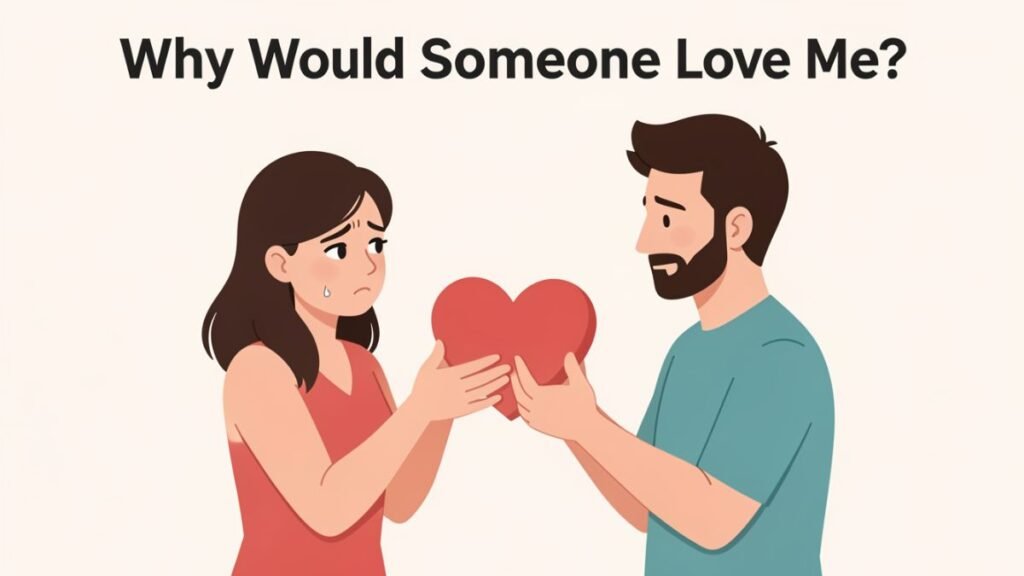
When someone loves you, you question your worth.
Not before. Not when you’re alone. Not when you’re single and independent.
When someone shows you love, affection, care—that’s when the doubt floods in.
“Why would they love me?” “What do they see that I don’t?” “They don’t really know me yet.” “When will they realize I’m not worth loving?” “What’s wrong with them that they’d choose me?”
Love doesn’t make you feel valuable. It makes you question if you’re valuable enough to deserve it.
The more someone shows they love you, the more anxious you become. The deeper their affection, the more you doubt yourself. The more committed they are, the more you wonder when they’ll discover the truth—that you’re not worth the love they’re giving.
Love triggers your deepest insecurities instead of soothing them.

I see how confusing this is. How you desperately want love, but when you get it, it feels terrifying. How being loved makes you feel more insecure than being alone. How can you trust the love you’re receiving because you can’t believe you deserve it?
And I see you wondering: “Why does love make me feel worse about myself? Why can’t I just accept that someone loves me? What’s wrong with me that being loved triggers so much self-doubt?”
Nothing is wrong with you, sis. But you have a fundamental belief that you’re not worthy of love—and when someone offers it, it conflicts with that belief so strongly that it creates a crisis. Let me help you understand why.
Let me help you understand why love makes you question your worth and how to finally accept love without doubting yourself.
What’s Really Happening: The Love-Doubt Paradox
Let me be direct with you: Love should affirm your worth. It should make you feel valued, seen, and cherished.
But for you, love creates a crisis: “If I’m not worthy, and they love me, something must be wrong.”
You’d rather doubt your worth than question your belief that you’re unworthy.
Here’s what’s really going on:
You Have a Core Belief of Unworthiness
Deep down, you believe:
- I’m not lovable
- I’m not enough
- I’m fundamentally flawed
- I don’t deserve love
- There’s something wrong with me
This belief is so fundamental that it’s part of your identity.
When someone loves you, it contradicts this core belief.
This creates cognitive dissonance—two conflicting beliefs:
- “I’m not worthy of love” (your core belief)
- “This person loves me” (the reality)
To resolve the dissonance, you have to either:
- Change your core belief (I am worthy)
- Question the love (they don’t really love me / they’re wrong / they don’t know the real me)
Changing core beliefs is hard. Doubting the love is easier.
So you question your worth to maintain the belief you’re not worthy—because that belief is familiar and changing it feels too threatening.
Love Feels Dangerous
If you grew up where:
- Love was conditional or unpredictable
- Love was withdrawn as punishment
- Loving people hurts you
- Vulnerability led to abandonment
You learned: Love = danger
Now, when someone loves you:
- Your nervous system perceives threat
- You can’t relax into being loved
- You’re hypervigilant for when it will be taken away
- You question your worth as a defense mechanism
“If I’m not worthy of love anyway, then when they leave, it won’t hurt as much because I already knew I didn’t deserve it.”
Questioning your worth is self-protection against the anticipated pain of losing love.
You’re Waiting for the Other Shoe to Drop
You believe:
- This love is temporary
- They don’t really know me yet
- When they see the real me, they’ll leave
- It’s only a matter of time before they realize I’m not worthy
So you’re in a state of perpetual anxiety:
- Waiting for them to discover you’re not enough
- Anticipating rejection
- Looking for evidence that confirms your unworthiness
The love triggers anxiety because you’re waiting for it to end—and questioning your worth is part of that anxious anticipation.
You’re Experiencing Imposter Syndrome in Love
Imposter syndrome: Feeling like a fraud despite evidence of competence
Love imposter syndrome: Feeling undeserving of love despite evidence that someone loves you
You think:
- They love who they think I am, not who I really am
- I’m fooling them
- They’ve made a mistake
- When they truly know me, they won’t love me
You can’t accept the love because you feel like an imposter—like you’re receiving something under false pretenses.
Love Triggers Shame
If you carry deep shame:
- About who you are
- About your past
- About perceived flaws
- About your “true self.”
When someone loves you, it activates that shame:
“If they really knew [the shameful thing], they wouldn’t love me.”
The love highlights the gap between who they think you are and who you “really” are (as defined by your shame).
So you question your worth because the shame is telling you you’re not worthy of this love.
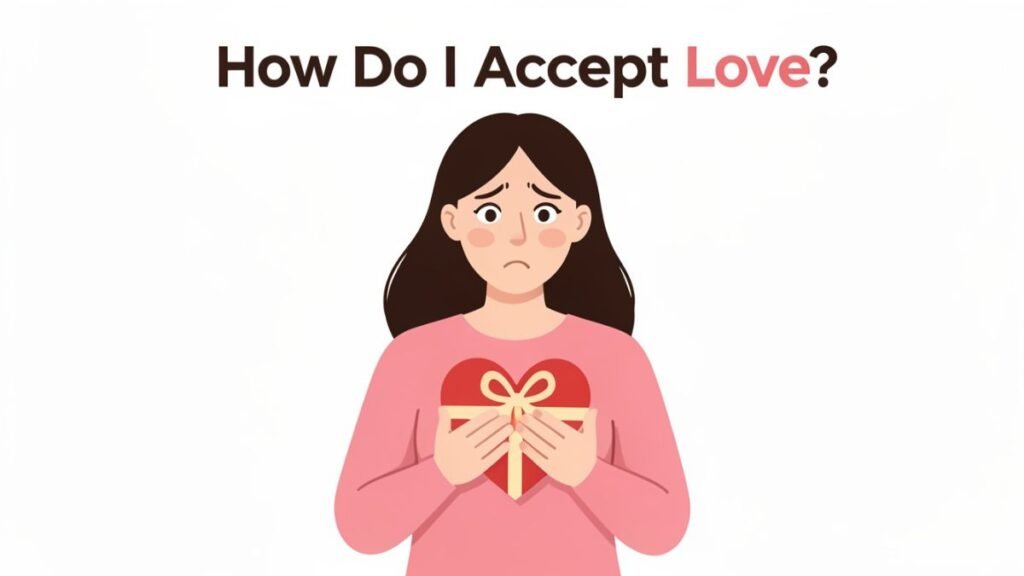
You Don’t Know How to Receive
You might know how to:
- Give love
- Earn approval
- Work for affection
- Prove yourself
But you don’t know how to:
- Just receive love
- Accept affection without earning it
- Believe you deserve it
So when love is offered freely, you don’t know what to do with it—and you default to questioning if you deserve it.
You’re Seeking Evidence That Confirms Your Belief
Confirmation bias: We look for evidence that confirms our existing beliefs
Your existing belief: I’m not worthy of love
When someone loves you:
- You look for evidence you’re not worthy (“I made a mistake, see, I don’t deserve this”)
- You interpret neutral events as evidence (“they seemed distant today, they must be realizing I’m not enough”)
- You discount evidence of your worth (“they’re just being nice, it doesn’t mean I deserve it”)
You question your worth because you’re actively looking for reasons to confirm you’re not worthy.
You Confuse Self-Worth With Self-Criticism
You might think:
- Acknowledging my worth = arrogance
- Accepting I deserve love = delusional
- Believing I’m good enough = lying to myself
So you default to self-doubt and questioning as “keeping yourself humble.”
But there’s a difference between humility and unworthiness:
- Humility: I’m human, imperfect, and still valuable
- Unworthiness: I’m fundamentally flawed and don’t deserve love
You’re confusing healthy self-awareness with unhealthy self-doubt.
Why This Pattern Is Destroying You
You can’t enjoy love. You’re too busy questioning if you deserve it to actually experience it.
You sabotage relationships. Your constant self-doubt can push away the love you’re receiving.
You’re exhausting your partner. They’re trying to love you, and you’re constantly questioning if you’re worthy of it.
You can’t build intimacy. Intimacy requires vulnerability, but you can’t be vulnerable if you believe you’re not worthy of being truly known and still loved.
You’re living in constant anxiety. The fear that you’re not worthy creates chronic relationship stress.
You’re rejecting the very thing you want. You desperately want love, but when you get it, you can’t accept it.
You’re teaching people you’re not worthy. When you constantly question your worth, you train others to doubt it too.
You’re trapped in unworthiness. You can’t escape the belief you’re not worthy because you reject all evidence to the contrary.
You’re wasting the love you’re receiving. Someone is loving you, and you’re too busy doubting yourself to receive it.
What You Need to Do
Step 1: Identify the Core Belief
Get clear on what you believe about yourself:
Complete these sentences:
- “I’m not worthy of love because…”
- “If someone really knew [blank] about me, they wouldn’t love me”
- “I don’t deserve love because…”
Make the unconscious belief conscious.
Step 2: Understand Where It Came From
Reflect on:
- Where did I learn I’m not worthy?
- Who taught me I don’t deserve love?
- What experiences created this belief?
- When did I start believing this about myself?
Understanding the origin helps you see it’s a learned belief, not truth.
Step 3: Challenge the Belief
For each belief you identified, ask:
- Is this actually true?
- What evidence contradicts this belief?
- Would I judge someone else this harshly?
- Is this based on fact or on shame?
Start questioning the unworthiness belief, not your worth.
Step 4: Notice When Love Triggers Doubt
Catch the pattern in real-time:
When someone shows you love and you start doubting yourself:
Pause and notice:
- “I’m questioning my worth because I’m receiving love”
- “This is the pattern”
- “The doubt is the wound, not the truth”
Awareness is the first step to change.
Step 5: Practice Accepting Love
When someone shows you love:
Instead of: “Why would they love me? I don’t deserve this.”
Try: “Thank you. I receive this.” (even if it feels uncomfortable)
Practice accepting without questioning.
Receiving is a skill you can build.
Step 6: Separate Feelings From Facts
When doubt comes:
Remind yourself:
- “I FEEL unworthy” (feeling)
- “That doesn’t mean I AM unworthy” (fact)
Feelings aren’t facts. You can feel unworthy and still be worthy.
Step 7: Work on the Shame
If shame is triggering the unworthiness:
Work with a therapist on:
- Identifying shame
- Challenging shame-based beliefs
- Healing shame wounds
- Separating your worth from shameful experiences
Shame work is deep but essential.
Step 8: Build Evidence of Worthiness
Actively collect evidence that you ARE worthy:
- Moments when you showed up well
- Times you were kind, competent, valuable
- Evidence someone loves you
- Proof you deserve good things
Train your brain to look for evidence of worthiness, not unworthiness.
What You Need to Understand
Love Doesn’t Create Unworthiness—It Reveals It
Love isn’t making you feel unworthy.
You already felt unworthy—the love is just bringing that hidden belief to the surface.
This is actually an opportunity: Now you know the belief exists and you can heal it.
You Deserve Love
Not because of:
- What you do
- What you achieve
- How perfect you are
But because:
- You’re human
- You exist
- Worthiness is inherent
You deserve love. Full stop.
Your Belief Is Wrong
The belief “I’m not worthy of love” is objectively wrong.
You are worthy.
The belief is a wound, not truth.
It’s time to stop trusting the wound and start challenging it.
Accepting Love Is a Practice
You won’t suddenly believe you deserve love.
Healing happens through:
- Repeatedly accepting love despite doubt
- Consistently challenging the unworthiness belief
- Practicing receiving
- Building new neural pathways
It’s a practice, not a one-time realization.
What You Deserve
You deserve to accept love without questioning your worth.
You deserve to feel secure in being loved.
You deserve to believe you’re worthy of the love you receive.
You deserve freedom from the doubt that poisons love.
That freedom is possible. But it requires healing the wound that tells you you’re not worthy.
The Bottom Line
Sis, love makes you question your worth because:
- You have a core belief you’re not worthy of love
- Love triggers cognitive dissonance with that belief
- Love feels dangerous based on past experiences
- You’re experiencing imposter syndrome in love
- Love activates deep shame about your worth
But the belief is wrong. You ARE worthy.
Challenge the unworthiness belief. Practice accepting love. Do the deep healing work.
Choose yourself, sis. You deserve love—and you deserve to believe you deserve it.
FAQ
Q: How do I know if I deserve this specific person’s love vs. if I have general unworthiness issues?
If you question your worth in EVERY relationship, it’s a core unworthiness wound. If it’s specific to this person, evaluate if they’re treating you well enough to deserve YOUR love.
Q: What if I’m right that I don’t deserve love?
You’re not right. That’s the unworthiness wound talking. Every human deserves love. Your specific wounds/flaws don’t disqualify you from deserving love.
Q: Will I ever believe I deserve love?
With consistent therapeutic work, yes. It takes time to heal deep unworthiness, but it’s absolutely possible to build genuine self-worth.
Q: What if accepting I deserve love makes me arrogant?
Believing you deserve love is not arrogance—it’s healthy self-worth. Arrogance is demanding others love you without reciprocating. They’re completely different.
Q: How do I stop waiting for them to realize I’m not worthy?
Challenge the anticipatory anxiety. Ask: What evidence exists they’ll leave? vs. What evidence exists they’re choosing to stay? Focus on present reality, not feared futures.