
Sis, I need to talk to you about the moment you’re always waiting for.
Many people feel they need to feel chosen by someone else in order to feel valuable.
The moment someone chooses you.
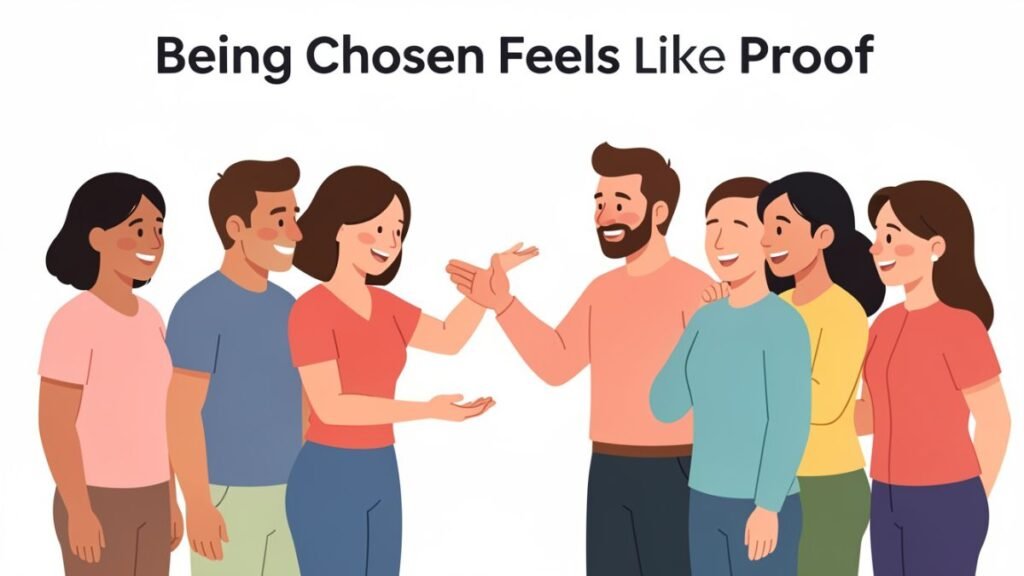
When he picks you over other options, you feel valuable. When he commits to you specifically, you feel worthy. When he selects you from the crowd, you feel like you finally matter.
Being chosen feels like proof you’re enough.
But when you’re not chosen? When he picks someone else, when he keeps his options open, when you’re an option but not the choice, you feel worthless.
Your entire sense of value hinges on being selected by someone else.
You’re constantly auditioning for the role of “chosen one.” Waiting to be picked. Hoping to be selected. Living in fear that you won’t be the one chosen—because if you’re not chosen, you must not be valuable.
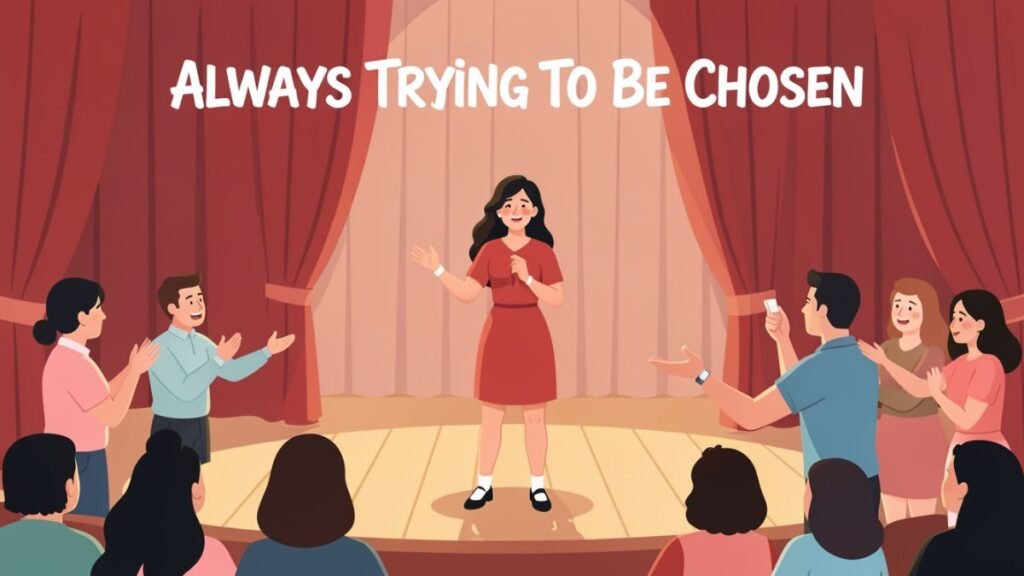
You need to feel chosen to feel worthy. And that need is controlling your life.
I see how painful this is. How do you measure your worth by who chooses you? How being the backup option destroys you. How can you feel valuable on your own—you need someone else to select you to prove your worth.
And I see you wondering: “Why do I need to be chosen to feel valuable? Why isn’t my own opinion of myself enough? What’s wrong with me that I need someone to pick me to feel worthy?”
Nothing is wrong with you, sis. But you’ve been taught that being chosen is what gives you value—and that lie is keeping you dependent on others’ selection for your sense of worth.
Let me help you understand why you need to be chosen and how to start choosing yourself.
What’s Really Happening: The Chosen-One Complex
Let me be direct with you: Your worth doesn’t come from being chosen. Your worth is inherent—it exists whether someone selects you or not.
But you don’t believe that.
You believe being chosen = valuable, and not being chosen = worthless.
And that belief is destroying your ability to value yourself independently.
Here’s what’s really going on:
You’re Seeking the Validation You Didn’t Receive
Think about your childhood:
Maybe:
- You felt like you had to earn love and attention
- Your parents had favorites, and you weren’t one of them
- You competed with siblings for approval
- You felt overlooked or invisible
- Love felt conditional on being “good enough” to be chosen
You learned: Being chosen = being valuable
Now as an adult, you’re still trying to finally be chosen—to get the validation and worth you didn’t receive as a child.
You’re looking for someone to choose you in a way that proves you were always worth choosing.
You’ve Externalized Your Worth
Healthy self-worth: “I am valuable because I exist. I have inherent worth.”
Your worth: “I am valuable if someone chooses me. My worth depends on being selected.”
You’ve placed your worth outside yourself—in others’ hands.
You can’t feel valuable until someone else validates your value by choosing you.
This makes you powerless over your own sense of worth.
You Confuse Being Chosen With Being Loved
You believe:
- If he chooses me = he loves me = I’m worthy
- If he doesn’t choose me = he doesn’t love me = I’m not worthy
But being chosen isn’t the same as being loved.
Someone can choose you for:
- Convenience
- What you provide them
- Settling
- Fear of being alone
And someone can love you deeply without “choosing” you in the way you imagine (public declaration, official commitment, etc.).
You’re equating being selected with being valued—but they’re not the same thing.
You’re Living in Competition Mode
When worth comes from being chosen:
Everyone else becomes competition for the limited “being chosen” resources.
You’re constantly comparing:
- Was she chosen instead of me?
- Am I the one he’ll pick?
- Why did he choose her over me?
- What does she have that I don’t?
You can’t feel secure because there’s always someone who might be chosen instead of you.
Your worth is contingent on winning a competition—and you can never fully relax.
You’re Seeking Proof You’re “Enough”
Deep down, you don’t believe you’re enough.
You think: If someone chooses me, it proves I’m enough.
So you’re waiting for external proof of what you should believe internally.
But no amount of being chosen will make you feel enough if you don’t believe it yourself.
You can be chosen and still feel inadequate—because being chosen doesn’t create self-worth.
You’re Recreating Childhood Dynamics
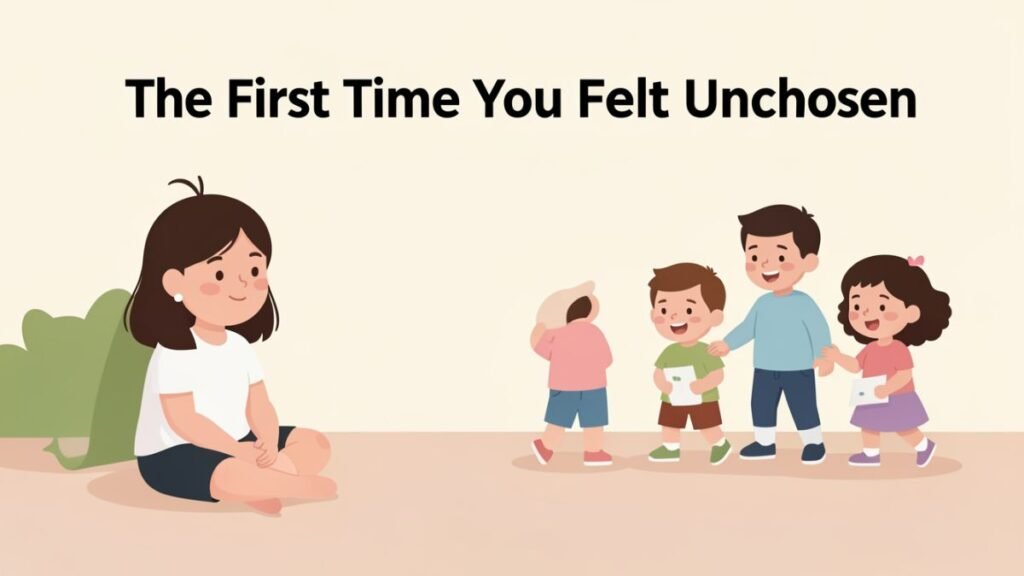
If you felt unchosen as a child:
- By a parent who was absent or emotionally unavailable
- By peers who excluded you
- By family dynamics, where you weren’t the favorite
You’re unconsciously trying to heal that wound by getting chosen now.
You think: If I can just get chosen THIS time, it will heal the pain of not being chosen THEN.
But adult validation can’t heal childhood wounds. The little girl who felt unchosen needs healing, not romantic selection.
You’re Avoiding Choosing Yourself
As long as you’re waiting to be chosen by someone else:
You don’t have to:
- Choose yourself
- Validate your own worth
- Decide you’re valuable on your own
- Take responsibility for your self-worth
Waiting to be chosen is easier than the hard work of choosing yourself.
You’re Confusing Selection With Value
Being chosen means:
- Someone selected you from the available options
- You met their criteria
- They decided you fit what they want
This says more about their preferences than your value.
You can be incredibly valuable and not be chosen by someone, simply because you’re not what they’re looking for.
Not being chosen doesn’t mean you’re not valuable. It means you’re not their preference—which is about fit, not worth.
Why This Need Is Destroying You
You can’t feel valuable on your own. Your worth is entirely dependent on someone else selecting you.
You’re powerless. Whether you feel worthy depends on others’ choices, not your own assessment of yourself.
You stay in situations that don’t serve you. If he “chose” you, you stay—even if the relationship is unhealthy—because being chosen feels like proof of worth.
You compete instead of connecting. Other women are threats to your being chosen, not potential friends.
You’re performing instead of being yourself. You’re trying to be what you think will get chosen, not who you actually are.
You’re devastated by rejection. Not being chosen feels like evidence you’re worthless, not just evidence of incompatibility.
You settle for being chosen. You accept being someone’s choice even when they’re not treating you well—because being chosen feels more important than being treated right.
You can’t choose yourself. You’re so focused on being chosen by others that you never learn to choose, validate, and value yourself.
You’re trapped in waiting. You’re in a holding pattern, waiting to be chosen, unable to move forward until someone selects you.
What You Need to Do
Step 1: Recognize Your Worth Is Inherent
Say this out loud:
“My worth is not determined by being chosen. I am valuable whether someone chooses me or not. Being chosen doesn’t create my worth—it’s just someone recognizing it.”
This will feel untrue. Say it anyway.
You have to start reprogramming the lie.
Step 2: Identify the Origin
Reflect on:
- When did I start believing I need to be chosen to be valuable?
- What childhood experiences created this belief?
- Who made me feel unchosen?
- What am I really seeking when I want to be chosen?
Understanding the origin helps you see it’s a wound, not truth.
Step 3: Grieve Not Being Chosen (Then)
If you felt unchosen as a child:
Allow yourself to grieve:
- The parent who didn’t choose you
- The peers who excluded you
- The love you deserved but didn’t receive
That grief is valid. Let yourself feel it.
But recognize: Adult romantic selection can’t heal childhood wounds.
Step 4: Separate Being Chosen From Being Valued
Practice distinguishing:
Being chosen: Someone’s preference, about fit
Being valued: Recognition of inherent worth, about you
Someone can choose you and not value you (using you).
Someone can value you and not choose you (incompatibility).
They’re not the same thing.
Step 5: Choose Yourself
This is the crucial work:
Start choosing yourself:
- Choose to value yourself
- Choose to prioritize yourself
- Choose to validate yourself
- Choose to believe you’re worthy
Say: “I choose me. I select myself. I am my own first choice.”
Don’t wait for someone else to choose you. Choose yourself first.
Step 6: Notice When You’re Auditioning
Catch yourself performing to be chosen:
- Trying to be what you think they want
- Suppressing yourself to be more selectable
- Competing to be the chosen one
Stop auditioning. Start being yourself.
The right person will choose the real you—but first, you have to choose to be real.
Step 7: Reframe Rejection
When you’re not chosen:
Instead of: “I’m not valuable.”
Try: “We’re not a good fit. Their preference says nothing about my worth. I’m still valuable.”
Not being chosen is about compatibility, not worth.
Step 8: Work on Core Self-Worth
- Building internal worth independent of external selection
- Healing childhood wounds around not being chosen
- Separating your value from others’ choices
- Learning to choose and validate yourself
This is deep work that likely requires professional support.
What You Need to Understand
Being Chosen Doesn’t Create Worth
Your worth exists before anyone chooses you.
Being chosen is someone recognizing your worth—not creating it.
If you don’t believe in your inherent worth, being chosen won’t make you believe it. You’ll just fear losing the person who chose you.
You Can Choose Yourself
You don’t have to wait for someone else to choose you.
You can:
- Choose to value yourself
- Choose to prioritize yourself
- Choose to see yourself as worthy
Self-selection is more powerful than external selection.
The Right Person Will Choose You AND Value You
Don’t confuse being chosen with being valued.
Look for someone who:
- Chooses you (commitment)
- AND values you (treats you well)
- AND is someone you choose back
Being chosen isn’t enough if they don’t also value you.
Not Being Chosen Is Information, Not Judgment
When someone doesn’t choose you:
It means:
- You’re not what they’re looking for (preference)
- You’re incompatible (fit)
- They have different priorities
It doesn’t mean:
- You’re not valuable
- You’re not worthy
- There’s something wrong with you
Not being chosen is about fit, not worth.
What You Deserve
You deserve to feel valuable without needing to be chosen.
You deserve to choose yourself first.
You deserve to know your worth is inherent, not earned through selection.
You deserve freedom from the need to be chosen to feel worthy.
That freedom is possible. But it requires choosing yourself before anyone else does.
The Bottom Line
Sis, you need to feel chosen to feel valuable because:
- You’re seeking validation that you didn’t receive as a child
- You’ve externalized your worth to others’ selection
- You confuse being chosen with being loved
- You’re trying to heal childhood wounds through adult selection
- You’re avoiding the work of choosing yourself
But being chosen doesn’t create worth. Worth is inherent.
Choose yourself. Validate yourself. Believe in your worth.
Choose yourself, sis. Don’t wait to be chosen—be your own first choice.
FAQ
Q: Isn’t wanting to be chosen natural and healthy?
Wanting a partnership is natural. Needing to be chosen to feel valuable is unhealthy. There’s a difference between wanting connection and needing selection to feel worthy.
Q: What if I choose myself, but no one else ever chooses me?
If you truly choose and value yourself, you’ll attract people who value you too. But even if that takes time, you’ll be okay—because your worth isn’t dependent on being chosen.
Q: How do I stop feeling worthless when someone doesn’t choose me?
Remind yourself: not being chosen is about compatibility, not worth. Practice self-validation. Work on building internal worth. It takes time, but it gets easier.
Q: What if he chose me, but I still feel unchosen?
That’s because being chosen can’t fill an internal void. You need to work on choosing yourself and believing in your inherent worth—external selection won’t fix internal unworthiness.
Q: Can I heal this without therapy?
You can make progress through self-reflection and work, but this pattern is often rooted in deep childhood wounds that heal faster with professional support.