
Why do I miss my ex after deciding to move on?
Sis, I see what’s happening to you.
You made the decision. You chose to move on.
Maybe you ended the relationship. Maybe you accepted it was over. Maybe you finally committed to letting go and building your life without him.
You made peace with it. You felt ready. You were moving forward.
And then… You started missing him intensely.
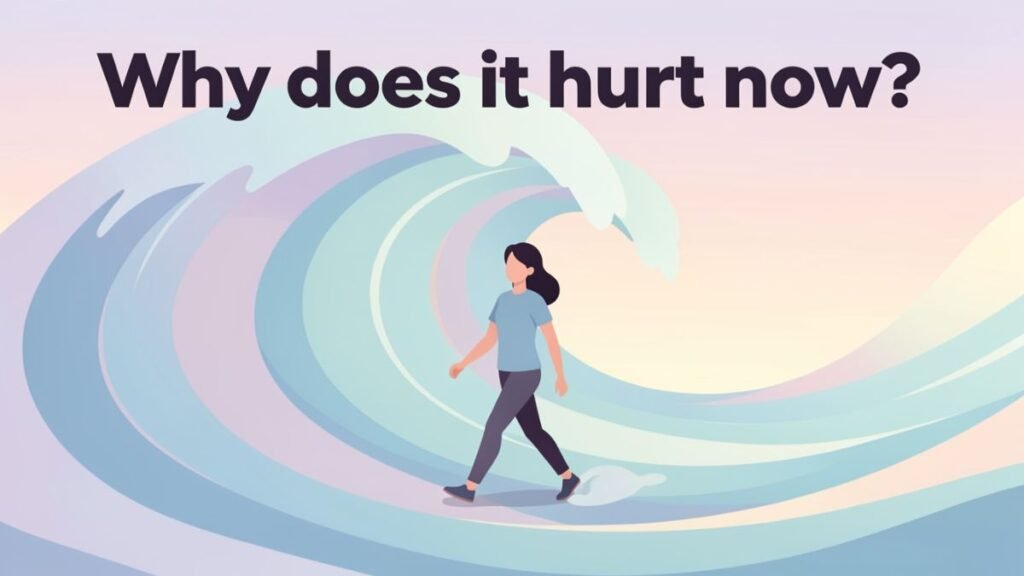
Not before the decision. Not when you were on the fence. After you decided to move on, that’s when the missing got worse.
It doesn’t make sense. You expected that once you decided, it would get easier. Instead, it feels harder.
I see you confused and questioning yourself: “Did I make the wrong decision? Why do I miss him more now that I’ve decided to move on? Is this a sign I shouldn’t let go?”
Let me help you understand what’s really happening and why this is actually a sign you made the RIGHT decision.
Why You Miss Your Ex After Deciding to Move On
What’s Really Happening: The Final Resistance
As a man who understands healing and change, let me tell you something crucial: Missing your ex intensely AFTER you decide to move on is one of the most common patterns in breakup recovery.
It feels backwards. But it’s completely normal. And it actually means you’re making real progress.
Here’s what’s really going on:
Your Decision Made It Real
Before you decided to move on, there was still ambiguity:
- Maybe things would work out
- Maybe he’d change
- Maybe you’d get back together
- Maybe it wasn’t really over
Your decision to move on eliminated the ambiguity. It made the ending real and final.
And that finality triggers intense grief. You’re not just missing him—you’re grieving the absolute end of possibility.
Your Psyche Is Testing Your Commitment
Think of this as your psyche’s last-ditch effort:
Your psyche: “Are you SURE you want to move on? Because it’s going to hurt. It’s going to be hard. Are you really committed to this?”
The intense missing is a test. Will you hold your decision when it gets painful? Or will you retreat back into the familiar pattern of holding on?
This is your psyche making sure you’re serious before fully releasing the attachment.
You’re Grieving What You’re Choosing to Leave
Before the decision, you were passively experiencing loss. Now you’re actively choosing to let go.
That’s different grief. You’re not just sad he’s gone—you’re mourning what you’re CHOOSING to leave behind:
- The hope
- The possibility
- The familiar attachment
- The version of your life that included him
Active letting go creates different, often more intense, grief than passive loss.
Fear of Change Is Manifesting as Missing
Moving on means:
- Building a new life
- Becoming a different version of yourself
- Facing the unknown future
- Leaving the familiar past behind
That’s terrifying. And sometimes fear disguises itself as missing.
You might not actually miss HIM as much as you’re afraid of the change that moving on requires.
Missing him feels safer than facing the unknown.
You’re Experiencing “Extinction Burst”
In psychology, an extinction burst is when a behavior intensifies right before it stops completely.
Like a child who’s been told “no more candy,” they don’t quietly accept it. They throw a tantrum first. The behavior gets worse before it goes away.
Your attachment is doing the same thing. Before it releases, it’s intensifying.
The missing getting worse is actually a sign that the attachment is in its final phase of letting go.
You’re Processing All the Unprocessed Grief at Once
Before you decided to move on, you were probably avoiding the full depth of your grief.
Now that you’ve committed to moving forward, all the grief you’ve been postponing is surfacing.
It’s not new grief. It’s all the grief you haven’t fully processed, coming up to be released.
The intensity isn’t about him; it’s about finally processing what you’ve been avoiding.
You’re Romanticizing Him Now That He’s Really Gone
Human psychology is perverse: We often want most what we’re about to lose completely.
Before you decided to move on, he was theoretically available (even if not actually).
Now that you’ve decided he’s truly gone, your brain romanticizes him. Memory highlights the good, minimizes the bad, and creates a fantasy you’re “losing.”
You’re missing a romanticized version, not the reality.
The Empty Space Feels More Real Now
Before deciding to move on, the space he left was still theoretically his.
Now that space is truly empty. And you have to figure out how to fill it.
Empty space feels more painful than space you’re planning to fill with the same person.
The missing is partly the discomfort of genuinely empty space that needs to be filled with something new.
Why This Pattern Actually Means You’re Healing
You made a real decision. The missing getting worse means your decision was significant, not superficial.
Your psyche is taking you seriously. It’s processing the finality because you’re actually committed.
The grief is moving through you. Intense grief after a decision means you’re not avoiding—you’re processing.
The attachment is in its final phase. Extinction bursts happen right before behaviors stop.
You’re facing reality instead of fantasy. The pain is from confronting the truth, which is necessary for healing.
You’re choosing yourself. The missing is the cost of that choice—and it’s worth it.
How to Stay Committed When Missing Gets Worse
Step 1: Recognize This Is Normal
Understand: “Missing him more after deciding to move on is a common, normal pattern. It doesn’t mean I made the wrong choice.”
This is part of the process, not evidence against your decision.
Step 2: Remember Why You Decided
When intense missing makes you question your decision:
Go back to your reasons:
- Why did you decide to move on?
- What wasn’t working?
- What do you need that he couldn’t give?
- What future are you building?
Write these down. Read them when you waver.
Step 3: Don’t Confuse Intensity With Truth
Intense feelings don’t mean accurate feelings.
The fact that you miss him desperately after deciding to move on doesn’t mean you made the wrong decision.
It just means the decision was significant and you’re grieving it.
Step 4: Expect the Test and Pass It
Your psyche is testing you: “Are you really committed to moving on, even when it hurts?”
Show yourself you are. Don’t retreat when it gets hard.
Passing this test is how you prove to yourself you can commit to your own well-being.
Step 5: Feel the Grief Fully
This isn’t the time to avoid the pain. This is the time to feel it.
The grief is surfacing because you’re ready to process it. Let yourself:
- Cry
- Sit with the sadness
- Acknowledge what you’re losing
- Grieve the finality
Feeling it is how you release it.
Step 6: Don’t Contact Him
The worst thing you can do right now is reach out.
When you contact him during this phase:
- You reinforce the attachment
- You undo your decision
- You teach yourself you can’t commit
- You extend the suffering
No matter how intense the missing, don’t contact him.
Step 7: Focus on Why You’re Moving On, Not What You’re Missing
Shift your focus:
Instead of: “I miss him so much. What if I’m making a mistake?”
Think: “I’m missing him because I’m truly letting go. I’m moving on because I deserve better. This pain is temporary. My decision is sound.”
Orient toward where you’re going, not what you’re leaving.
Step 8: Fill the Space Intentionally
The empty space is uncomfortable. Don’t fill it with him or thoughts of him.
Fill it with:
- New activities
- Deeper friendships
- Personal goals
- Self-development
- Building the life you want
Give yourself something to move TOWARD, not just something to move away from.
Step 9: Remind Yourself: This Will Pass
The intensity of missing after your decision is temporary.
This is the hardest part. You’re in the extinction burst. You’re in the final grief wave.
It will pass. If you stay committed, the missing will decrease.
Step 10: Get Support
Don’t suffer through this alone.
Reach out to:
- Friends who support your decision
- A therapist
- Support groups
- People who’ve been through this
Tell them: “I decided to move on, and now I miss him more than ever. I need support staying committed.”
What You Need to Know
This Doesn’t Mean You Made the Wrong Choice
The intensity of missing after deciding to move on is not evidence that you should go back.
It’s evidence that:
- Your decision was real
- The loss is significant
- You’re actually processing grief
- Change is happening
Trust your decision, not your temporary feelings.
The Missing Will Decrease If You Stay Committed
Right now, the missing feels unbearable. It will lessen.
But only if you stay committed. If you waver, contact him, or retreat—you’ll reset the process and have to start over.
Stay the course. The missing will fade.
This Is the Hardest Part
You’re in the valley. You’ve left the familiar mountain but haven’t reached the new one yet.
The valley is the hardest part. But it’s also the necessary part.
You have to cross the valley to get to the other side.
Every Day You Don’t Go Back, You Get Stronger
Each day you stay committed despite the missing:
- You prove to yourself you can do hard things
- You build the muscle of self-commitment
- You get closer to the other side
- You reinforce that your well-being matters
You’re not just moving on from him. You’re becoming someone who chooses herself.
The Bottom Line
Sis, you miss your ex after deciding to move on because:
- Your decision made the ending real and final
- Your psyche is testing your commitment
- You’re processing all the postponed grief
- This is the extinction burst—the final intensity before release
- You’re facing the fear of change and the unknown
This is normal. This is part of healing. This doesn’t mean you were wrong.
The missing getting worse after you decide to move on is actually a sign you made a REAL decision that your psyche is taking seriously.
Stay committed. Feel the grief. Don’t go back.
This is the hardest part. But you’re almost through it.
Choose yourself, sis. The missing will pass. Your decision was right. Keep going.
FAQ
Q: How long will I miss him intensely after deciding to move on?
The post-decision intensity typically lasts days to a few weeks. If you stay committed and don’t break no contact, it usually peaks and then decreases significantly.
Q: What if the missing doesn’t decrease after I’ve stayed committed?
If you’ve truly stayed committed (no contact, no checking on him, actively moving forward) and intensity doesn’t decrease after 4-6 weeks, you may need therapy to process what you’re stuck on.
Q: Is this my intuition telling me I made the wrong choice?
No. Intuition is quiet and knowing. This is loud grief and fear. Intuition doesn’t create panic and desperate longing—grief and fear do.
Q: What if I can’t stop myself from contacting him?
Block him everywhere, so contact requires significant effort. Get an accountability partner. If you truly can’t stop, this indicates you need professional support to stay committed.
Q: Does everyone experience this after deciding to move on?
Not everyone, but many people do. It’s common enough to be considered a normal part of the process. If you don’t experience it, that’s also fine.
Psychology research shows grief can intensify after acceptance