
If you feel selfish choosing myself, you are not alone.
Many women feel selfish choosing themselves at first.
Sis, I need to ask you something directly.
When was the last time you made a decision purely for yourself—because it was what YOU wanted, what YOU needed, what was best for YOU—without immediately feeling like a terrible person?
I’m guessing it’s been a while. Or maybe never.
I see what happens when you try to choose yourself:
You need to leave a relationship that’s hurting you → “But what about him? I can’t abandon him when he needs me. That would be so selfish.”
You want to pursue a goal or dream → “But that would take time away from the relationship. I can’t be that self-centered.”
You need to set a boundary → “But that will upset him. I can’t be so selfish with my needs.”
You want to say no to something → “But they’re counting on me. What kind of person says no? That’s so selfish.”
Every time you move toward choosing yourself, guilt crashes over you like a wave. The word “selfish” appears in your mind like an accusation. And you pull back, abandon your own choice, and put everyone else first again.
This is why you feel selfish choosing yourself.
Why Guilt Appears When You Choose Yourself
Feeling selfish choosing yourself is often a learned emotional response, not a moral truth.
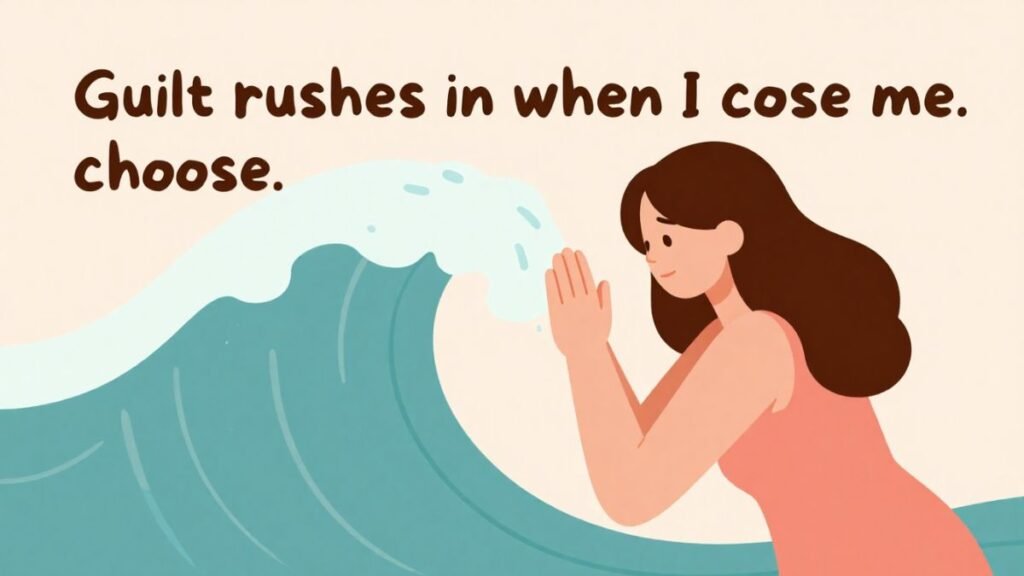
The Emotional Weight of Choosing Yourself
If you feel selfish choosing yourself, it doesn’t mean you are doing something wrong.
Why You Feel Selfish Choosing Yourself
I see you trapped. Unable to choose yourself without feeling like you’re committing a moral crime. Unable to prioritize your well-being without believing you’re a bad person.
And I see you wondering: Am I selfish for wanting to choose myself? Is there something wrong with me for wanting to put myself first sometimes?
No, sis. Choosing yourself isn’t selfish. You’ve been conditioned to believe it is.
You are not wrong for feeling selfish in choosing yourself.
Let me explain what’s really happening and how to break free from this guilt.
Understanding why you feel selfish choosing myself is the first step toward healing.
Why Do I Feel Selfish Choosing Myself?
Many women feel selfish choosing themselves even when they are simply protecting their peace.
This can make you feel selfish choosing myself, even when you are honoring your needs.
What’s Really Happening: Why You Feel Selfish Choosing Yourself
As a man who understands healthy relationships and boundaries, let me be clear: Choosing yourself is not selfish. It’s necessary. It’s healthy. It’s how you survive.
Selfishness is taking from others at their expense, disregarding their needs entirely, caring only about yourself.
Choosing yourself is different. It’s prioritizing your wellbeing alongside caring for others. It’s making space for your needs while still respecting others. It’s saying “I matter too.”
Those are not the same thing. So why do they feel the same way about you?
You Were Taught That Your Needs Make You Selfish
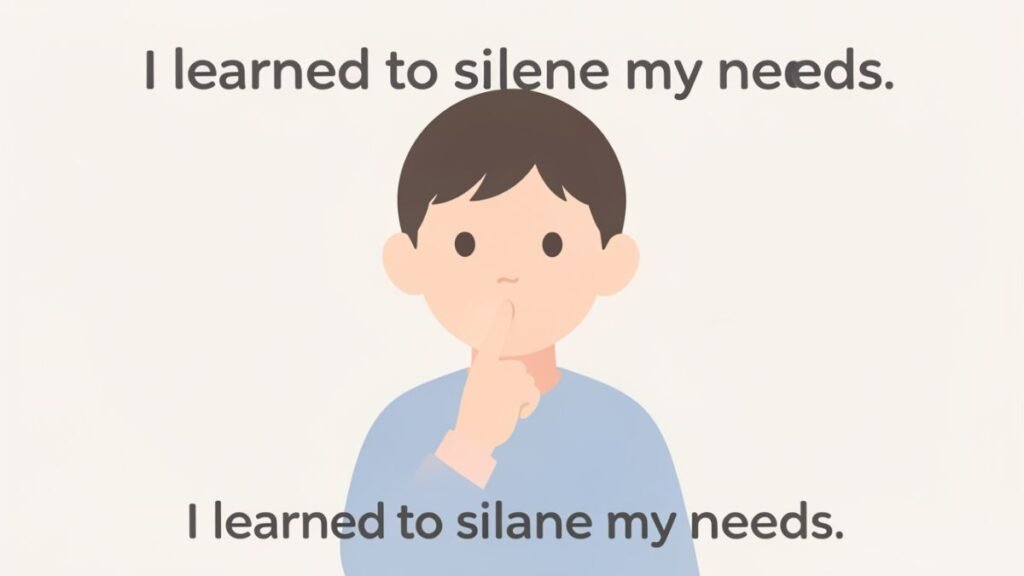
Think about the messages you received growing up:
Maybe you learned:
- “Good girls” put others first, always
- Having needs is selfish
- Your job is to make others happy, not yourself
- Self-sacrifice is virtuous; self-care is indulgent
- Thinking about yourself is selfish; thinking about others is good
You internalized: Choosing myself = Selfish = Bad person.
This conditioning runs deep. Every time you had a need as a child and expressed it, what happened?
- Were you called selfish?
- Were you made to feel guilty?
- Were you told you were being too much?
- Were you praised for suppressing your needs?
You learned to associate guilt with self-prioritization. And now, decades later, choosing yourself still triggers that old programming that says you’re being selfish.
You Confuse Self-Care With Self-Centeredness
Choosing Yourself vs Being Selfish
Choosing yourself does not mean ignoring others — it means including yourself, too.
Let me define these clearly:
Selfish/Self-centered:
- Caring ONLY about yourself
- Disregarding others’ needs entirely
- Taking from others without giving
- Lacking empathy or consideration
- Refusing to compromise or sacrifice ever
Choosing yourself:
- Caring about yourself AND others
- Meeting your needs alongside caring for others’ needs
- Setting boundaries to protect your wellbeing
- Saying no when you need to
- Prioritizing yourself when necessary
Do you see the difference?
If you’re worried about being selfish, if you feel guilty about choosing yourself, if you still care deeply about others, you’re not selfish.
Selfish people don’t worry about being selfish. They don’t feel guilty about choosing themselves.
The fact that you DO feel guilty proves you’re not actually selfish. You’re just finally trying to include yourself in your own circle of care.
People Who Benefit From Your Self-Neglect Call It “Selfish”
Pay attention to WHO calls you selfish when you choose yourself:
Your partner when you:
- Set a boundary
- Say no to something
- Choose your needs over his wants
- Leave a relationship that’s hurting you
Your family when you:
- Can’t attend every event
- Choose your life over their expectations
- Set limits on their involvement
- Make decisions they don’t agree with
Notice a pattern? The people calling you “selfish” are the ones who benefit from you never choosing yourself.
When you always accommodate, they get what they want without compromise. When you always sacrifice, they benefit from your self-neglect.
So they use “selfish” as a weapon to make you feel guilty for choosing yourself, because your self-choice threatens their benefit from your self-neglect.
That guilt isn’tthe truth. It’s a manipulation designed to keep you in the role of the person who never prioritizes herself.
You’ve Made “Selflessness” Part of Your Identity
For some women, being “selfless” is core to their sense of self:
“I’m the person who always puts others first.”
“I’m not selfish like other people.”
“I pride myself on being low-maintenance and accommodating.”
If your identity is built on being selfless, choosing yourself threatens who you think you are.
Choosing yourself would mean:
- You’re not as selfless as you thought
- Your identity was based on self-neglect
- You might be “selfish” like the people you judged
The guilt of choosing yourself is actually the panic of your identity shifting. You’re not becoming selfish—but it feels like you’re losing who you are.
You Believe Love Requires Self-Erasure
You’ve confused love with martyrdom.
You think:
- If I truly loved him, I’d never choose myself over him
- Love means always putting the other person first
- Prioritizing myself means I don’t care enough about others
- Real love is selfless, and choosing myself proves I’m selfish
That’s not what love is. Love includes BOTH people. A real partnership has room for both people’s needs.
Love doesn’t require you to disappear. And if it does, it’s not love—it’s servitude disguised as devotion.
You’re Carrying Others’ Emotions About Your Choices
When you choose yourself, and someone is disappointed, upset, or inconvenienced:
You take responsibility for their feelings.
In your mind:
- Their disappointment = I caused that = I’m selfish for disappointing them
- Their upset = I’m responsible = I should have chosen differently
- Their inconvenience = I’m selfish for not accommodating
But you’re not responsible for managing others’ emotions about your boundaries.
If someone is upset that you chose yourself, that’s their emotion to manage. You’re allowed to make choices that disappoint others. That doesn’t make you selfish—it makes you human with your own needs.
Why This Guilt Is Destroying You
Without that ability, you’re stuck in unhealthy dynamics.
Feeling selfish when you choose yourself is learned — and it can be unlearned. These practical steps will help you replace guilt with self-respect.
You can’t actually choose yourself. Every time you try, the guilt becomes so unbearable that you abandon the choice and go back to self-neglect. You’re trapped.
You resent everyone. Because you’re constantly sacrificing yourself, resentment builds toward the people you’re “selflessly” serving. You hate them for benefiting from your self-neglect—even though you’re the one choosing it.
You’ve disappeared. When you can never choose yourself, you lose yourself. Your needs, wants, dreams, preferences—all erased. You don’t know who you are outside of serving others.
You’re exhausted. Constant self-sacrifice depletes you. You’re running on empty because choosing yourself to refill feels too selfish.
You attract users. People who respect boundaries don’t stay with partners who never set them. Users do. Your inability to choose yourself attracts people who will exploit that.
You’re teaching terrible lessons. If anyone is watching (kids, friends, family), you’re teaching them that choosing yourself is selfish. That self-neglect is love. That your needs don’t matter.
How to Stop Feeling Selfish When Choosing Yourself
Feeling selfish when you choose yourself is learned — and it can be unlearned. These practical steps will help you replace guilt with self-respect.
You can’t build a healthy life. Healthy relationships, careers, and lives—all require being able to choose yourself sometimes. Without that ability, you’re stuck in unhealthy dynamics.
The Truth You Need to Hear
Choosing Yourself Is Not Selfish
Let me say this clearly: You are allowed to choose yourself. That choice doesn’t make you selfish.
You can:
- Leave relationships that hurt you
- Say no to requests
- Set boundaries
- Prioritize your needs
- Pursue your goals
- Take care of yourself
All without being selfish. Because choosing yourself doesn’t mean abandoning everyone else.
It means including yourself in your circle of care.
You deserve peace without guilt.
Self-Care Is Necessary, Not Indulgent
Learn more about self-care benefits from the
You can’t pour from an empty cup. You can’t give what you don’t have. You can’t care for others if you’re depleted.
Choosing yourself to refill your cup isn’t selfish—it’s necessary for sustainability.
Self-care isn’t about being self-centered. It’s about maintaining the ability to show up for yourself and others.
The Right People Won’t Call You Selfish for Having Needs
When you choose yourself with healthy people:
They might be disappointed. They might wish you’d chosen differently. But they won’t call you selfish for having needs and boundaries.
They’ll say: “I’m disappointed, but I understand you need to take care of yourself.”
If someone calls you selfish for basic self-care and boundaries, that tells you about THEM—not about you.
How to Choose Yourself Without Guilt
Step 1: Understand the Difference
Write this down:
Selfish = Caring only about myself, disregarding others entirely
Choosing myself = Caring about myself AND others, meeting my needs alongside theirs
You’re not trying to be selfish. You’re trying to include yourself. That’s different.
Step 2: Expect Guilt and Do It Anyway
The guilt won’t disappear immediately. You’re undoing decades of conditioning.
Feel the guilt and choose yourself anyway.
“I feel guilty, but I’m still setting this boundary.”
“The guilt is uncomfortable, but I’m still saying no.”
Action before feeling. The guilt will lessen as you prove to yourself that choosing yourself doesn’t lead to catastrophe.
Step 3: Stop Taking Responsibility for Others’ Emotions
When you choose yourself, and someone is upset:
Their emotion is theirs to manage, not yours to fix by abandoning your choice.
Practice saying: “I understand you’re disappointed, but I need to choose myself here.”
“I hear that you’re upset, but this is what’s best for me.”
You can care about their feelings without being responsible for them.
Step 4: Question Who Benefits From the “Selfish” Label
When someone calls you selfish for choosing yourself, ask:
“Do they benefit from me never prioritizing myself? Would my choice inconvenience them?”
If yes, their “selfish” accusation is manipulation, not truth. They want you to feel guilty so you’ll keep serving their interests.
Step 5: Challenge Your Identity
If you’ve built your identity on being “selfless,” it’s time to rebuild.
Your worth isn’t in how much you sacrifice. Your value isn’t in being low-maintenance.
Build an identity that includes:
- Having needs that matter
- Setting boundaries
- Choosing yourself when necessary
- Being a whole person, not just a servant to others
Step 6: Practice in Small Ways
Don’t start by making huge self-choices that trigger overwhelming guilt.
Start small:
- Say no to one request this week
- Take 30 minutes for yourself today
- Express one preference instead of always accommodating
- Set one small boundary
Build the muscle gradually. Each time you choose yourself without catastrophe, it gets easier.
Step 7: Get Support
If the guilt is overwhelming, work with a therapist.
A therapist can help you:
- Unpack where the guilt came from
- Challenge the beliefs that fuel it
- Practice choosing yourself
- Build a new relationship with self-care
You don’t have to do this alone.
Step 8: Accept That Some People Will Be Upset
When you start choosing yourself, some people will not like it.
Let them be upset. Anyone who gets angry at you for having needs doesn’t want a real relationship with you—they want a relationship with a version of you who has no needs.
Losing those people isn’t a loss. It’s liberation.
What You Deserve
You deserve to choose yourself without guilt.
You deserve to set boundaries without being called selfish.
You deserve relationships where your needs matter as much as others’ needs.
You deserve to care for yourself the way you care for everyone else.
That life is possible. But it requires you to challenge the guilt and choose yourself anyway.
The Bottom Line
Sis, if you feel selfish when you choose yourself:
You’re not selfish. You’ve been conditioned to believe that having needs and prioritizing yourself is wrong. That choosing yourself is a moral failing.
That conditioning is a lie. You are allowed to choose yourself. You’re allowed to matter in your own life.
The guilt is a signal that you’re breaking old programming—not proof that you’re doing something wrong.
Feel the guilt. Choose yourself anyway. The guilt will fade. Your life will improve.
Choose yourself, sis. It’s not selfish. It’s survival.
FAQ
Q: How do I know if I’m actually being selfish vs. just choosing myself?
If you still care about others, still consider their needs, still compromise sometimes—you’re not selfish. Selfish people don’t worry about being selfish. If you’re questioning it, you’re probably just trying to include yourself, not become self-centered.
Q: What if choosing myself really does hurt someone?
Sometimes your choices will disappoint or inconvenience others. That’s different from “hurting” them. You’re allowed to make choices that others don’t prefer. Their disappointment doesn’t make your choice selfish.
Q: Should I ignore the guilt and just push through?
Don’t ignore it—acknowledge it. “I feel guilty, but I recognize this is old conditioning, not truth.” Then choose yourself despite the guilt. Over time, the guilt will lessen as you reprogram.
Q: What if he’s right and I am being selfish?
If he benefits from you never choosing yourself, his “selfish” label is manipulation. Ask trusted friends or a therapist whether your choice is actually selfish. If it’s basic self-care or boundaries, it’s not selfish—he just wants you to believe it is.
Q: How long will I feel guilty when I choose myself?
It varies. With consistent practice, most people notice guilt lessening within weeks or months. But it’s gradual. Each time you choose yourself without catastrophe, the guilt has less power. Be patient with yourself.
Read more about building self-worth after heartbreak.